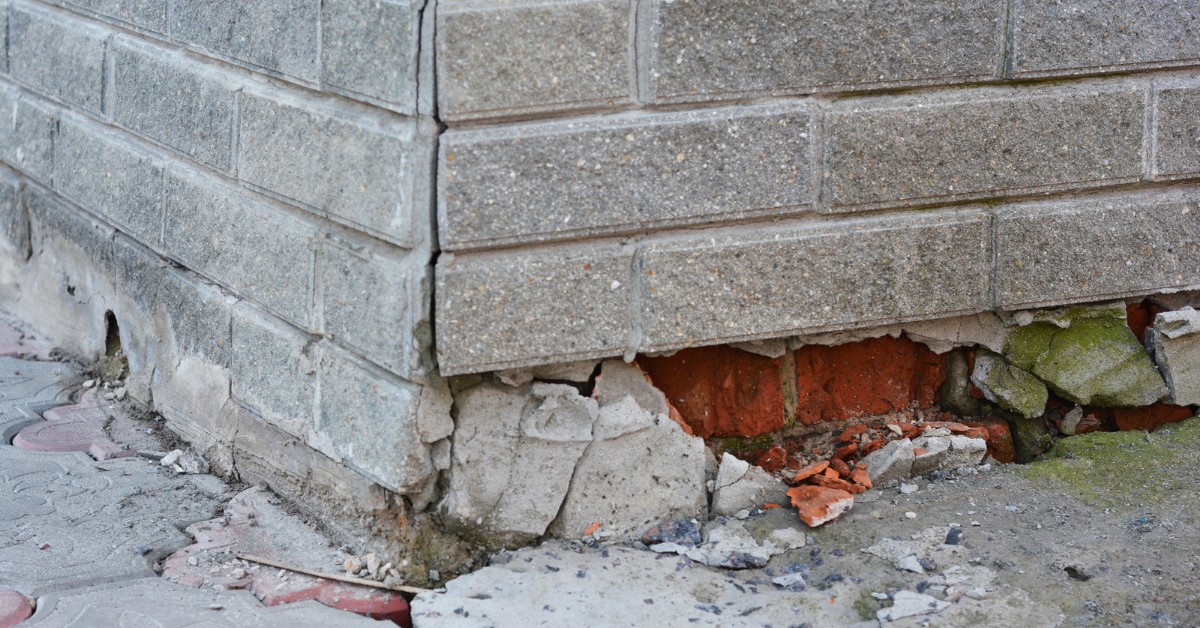
Small foundation cracks might seem harmless at first, but ignoring them can lead to severe structural damage and expensive repairs down the road. What starts as a minor issue can quickly escalate into major problems that affect your home’s safety, value, and livability.
How Minor Cracks Become Major Structural Issues
Foundation cracks rarely stay the same size. Temperature changes, soil movement, and water pressure cause these cracks to expand over time. A hairline crack that seems insignificant today can widen into a serious structural concern within months. As cracks grow, they compromise the integrity of your entire foundation, potentially leading to uneven floors, misaligned doors and windows, and even partial foundation failure that requires extensive reconstruction.
The longer you wait to address foundation damage, the more complex and costly the repairs become. What might have been a simple crack injection procedure can evolve into a project requiring foundation underpinning, wall stabilization, or complete wall replacement. Professional Foundation Repair services can assess the severity of cracks and recommend appropriate solutions before problems escalate.
Water Intrusion and Its Cascading Effects
Foundation cracks create pathways for water to enter your basement or crawlspace. Even small amounts of moisture can cause significant damage over time, leading to wood rot, rusted metal supports, and deteriorating building materials. Water intrusion also creates the perfect environment for mold and mildew growth, which poses serious health risks to your family and can spread throughout your home’s HVAC system.
The cost of water damage extends far beyond the foundation itself. Flooded basements can destroy personal belongings, finished living spaces, and mechanical systems. You may face expenses for carpet replacement, drywall removal, furniture restoration, and electronics replacement. Additionally, repeated water intrusion can damage your home’s electrical systems, creating dangerous safety hazards that require immediate professional attention.
The Mold and Health Cost Factor
When water seeps through foundation cracks, it creates damp conditions that encourage mold growth. Mold remediation is expensive, often costing thousands of dollars depending on the extent of contamination. More importantly, mold exposure can cause respiratory problems, allergic reactions, and other health issues that result in medical bills and reduced quality of life for your family.
Mold doesn’t stay contained to the basement. Spores travel through air ducts and spread to living areas throughout your home. Some types of mold, particularly black mold, are toxic and require specialized remediation that includes containment barriers, air filtration systems, and complete removal of contaminated materials. Prevention through proper foundation maintenance is far less expensive than dealing with widespread mold contamination.
Decreased Property Value and Marketability
Foundation problems significantly impact your home’s market value. Potential buyers and home inspectors scrutinize foundation conditions closely, and visible cracks raise red flags that can derail sales or force you to accept substantially lower offers. Even if you disclose and repair foundation issues before listing, the stigma of previous foundation problems can linger and affect buyer confidence.
Real estate transactions involving homes with foundation issues often require additional inspections, structural engineer evaluations, and repair guarantees. These requirements extend closing timelines and add complications that many buyers prefer to avoid entirely. Maintaining your foundation in good condition protects your investment and ensures you’ll receive fair market value when it’s time to sell.
Increased Energy Costs from Air Leakage
Foundation cracks allow conditioned air to escape and outside air to infiltrate your home. This air leakage forces your HVAC system to work harder to maintain comfortable temperatures, resulting in higher monthly utility bills. During winter, cold air enters through foundation gaps, making your basement frigid and causing heat loss throughout your home. Summer humidity seeps in, making your cooling system run continuously.
The energy efficiency impact of foundation cracks compounds over time. Year after year of increased heating and cooling costs add up to thousands of dollars in unnecessary expenses. Sealing foundation cracks and implementing proper Basement Waterproofing measures not only protects your structure but also reduces energy waste and lowers your carbon footprint.
Pest Infiltration Through Foundation Gaps
Cracks in your foundation provide entry points for insects, rodents, and other pests seeking shelter and food sources. Termites are particularly attracted to moisture-damaged wood around foundation cracks, and their presence can cause extensive damage to your home’s structural framing. Mice and rats can squeeze through surprisingly small openings, establishing nests in wall cavities and spreading throughout your living spaces.
Pest control becomes an ongoing expense when foundation cracks remain unsealed. Beyond extermination costs, you may face repairs for chewed wiring, contaminated insulation, damaged stored items, and structural wood that pests have compromised. The health risks from pest droppings and the diseases they carry add another layer of concern that makes foundation maintenance essential for protecting your family.
Insurance Complications and Coverage Gaps
Many homeowners discover too late that their insurance policies don’t cover foundation damage or water intrusion resulting from poor maintenance. Insurance companies typically classify foundation problems as preventable maintenance issues rather than covered perils. If you file a claim for water damage caused by neglected foundation cracks, your insurer may deny coverage entirely, leaving you responsible for all repair costs.
Even when insurance provides some coverage, repeated claims can lead to policy cancellations or premium increases that cost you more in the long run. Documenting regular maintenance and addressing foundation issues promptly demonstrates responsible homeownership and helps prevent coverage disputes. Investing in preventive repairs protects you from both the direct costs of foundation failure and the indirect costs of insurance complications.
Don’t let small foundation cracks turn into expensive nightmares. The team at Basement Medics provides comprehensive foundation inspection and repair services throughout Bucks County and surrounding areas. Our experienced professionals can identify foundation issues early and implement cost-effective solutions that protect your home and your budget. Contact us today for a thorough foundation evaluation and peace of mind knowing your home’s structure is secure.
Frequently Asked Questions
Q: How can I tell if a foundation crack is serious or just cosmetic?
A: Horizontal cracks, cracks wider than 1/4 inch, cracks that are growing, and cracks accompanied by water seepage or bowing walls indicate serious structural issues requiring immediate professional evaluation. Hairline vertical cracks may be less concerning but should still be monitored and sealed to prevent water intrusion.
Q: What’s the average cost difference between early foundation repair and waiting until the problem worsens?
A: Early intervention like crack injection or minor sealant application typically costs hundreds to a few thousand dollars, while major foundation repairs involving wall stabilization, underpinning, or reconstruction can range from $10,000 to $50,000 or more depending on the extent of damage.
Q: Can foundation cracks cause problems in other parts of my home?
A: Yes, foundation issues often lead to cracked drywall, sticking doors and windows, uneven floors, gaps between walls and ceilings, and stress on plumbing and gas lines. The structural movement from compromised foundations affects the entire building envelope.
Q: How long does it typically take for a minor foundation crack to become a major problem?
A: The timeline varies based on soil conditions, water exposure, and climate, but foundation cracks can worsen significantly within 1-3 years. In areas with freeze-thaw cycles or expansive soils, deterioration can accelerate rapidly, sometimes causing noticeable changes within a single season.
Q: Will sealing foundation cracks from the inside be enough, or do I need exterior waterproofing?
A: Interior crack sealing provides immediate water control but doesn’t address the external water pressure causing the problem. Comprehensive solutions often combine interior repairs with exterior waterproofing, proper drainage systems, and moisture management to ensure long-term foundation protection and prevent future cracking.