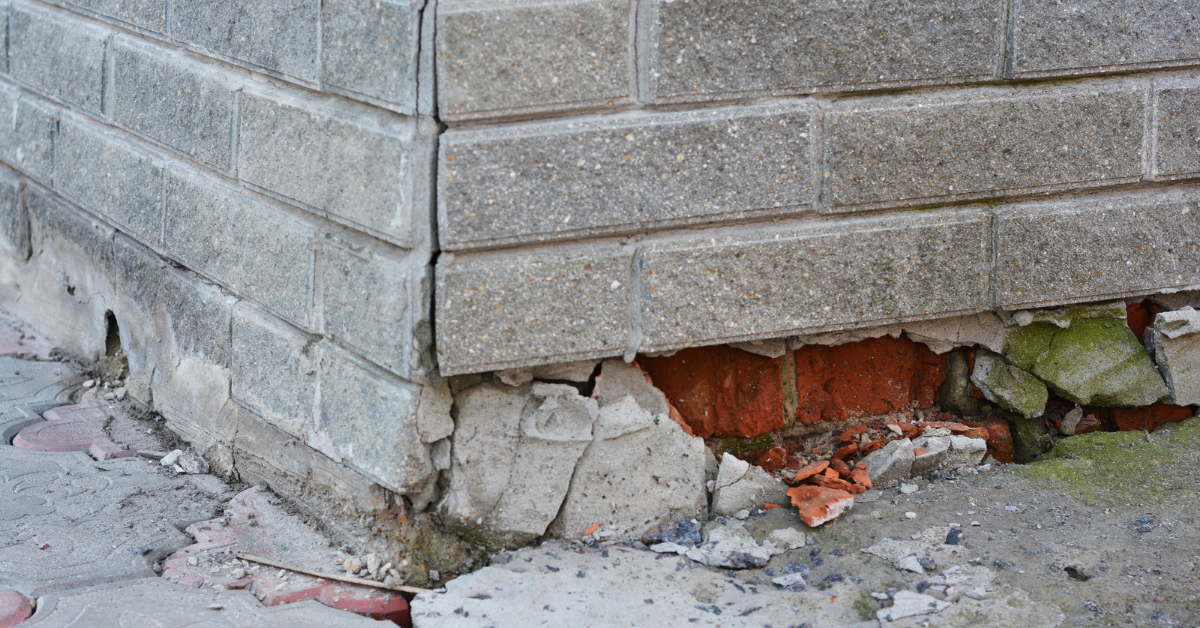
Water in your basement isn’t just an inconvenience—it’s a threat to your home’s structural integrity and your family’s health. Understanding the difference between interior and exterior waterproofing methods helps you make informed decisions about protecting your Bucks County home. Let’s explore both approaches so you can determine which solution best fits your needs.
What Is Interior Basement Waterproofing?
Interior waterproofing addresses water issues from inside your basement, managing moisture after it’s penetrated your foundation walls. This approach typically includes installing drainage systems, sump pumps, and vapor barriers along interior walls. Basement Waterproofing professionals often recommend interior methods when excavation isn’t feasible or when you need a more budget-friendly solution.
Interior systems work by collecting water that seeps through foundation walls and directing it to a drainage system. From there, a Sump Pump Installation removes the water from your home automatically. These systems are particularly effective in New Hope and surrounding areas where water table fluctuations are common.
What Is Exterior Basement Waterproofing?
Exterior waterproofing prevents water from reaching your foundation walls in the first place. This method involves excavating around your home’s perimeter, applying waterproof coatings or membranes to foundation walls, and installing exterior drainage systems. While more invasive and costly upfront, exterior waterproofing provides the most comprehensive protection against water intrusion.
This approach also allows contractors to inspect your foundation for cracks and damage, addressing Foundation Repair needs simultaneously. Exterior systems redirect water away from your foundation before it can cause problems, making them ideal for homes with chronic water issues or properties in flood-prone areas of Bucks County.
Comparing Cost and Installation Timeframes
Interior waterproofing typically costs 30-50% less than exterior methods and can usually be completed in 1-3 days. Since work happens inside your home, weather delays are minimal, and there’s no need for extensive landscaping restoration afterward. This makes interior solutions attractive for homeowners on tighter budgets or timelines.
Exterior waterproofing requires excavation equipment, experienced crews, and favorable weather conditions. Projects typically take 5-7 days and involve temporarily disrupting landscaping, sidewalks, and sometimes driveways. However, this investment addresses problems at their source and often lasts longer than interior-only approaches. A comprehensive Basement Inspections can help determine which investment makes sense for your specific situation.
Long-Term Effectiveness and Maintenance
Interior waterproofing systems require ongoing maintenance, including periodic sump pump testing, drain cleaning, and Dehumidifier Installation to manage humidity levels. These systems manage water effectively but don’t prevent hydrostatic pressure from building against foundation walls, which can eventually cause structural issues.
Exterior waterproofing reduces maintenance needs by stopping water before it contacts your foundation. Once properly installed, these systems can last 25+ years with minimal upkeep. They also eliminate hydrostatic pressure concerns, protecting your foundation’s structural integrity. However, problems with exterior systems require excavation to repair, which can be costly and disruptive.
Which Method Works Best for Different Scenarios
New construction or major renovations present ideal opportunities for exterior waterproofing since excavation equipment already has site access. Homes with finished basements or limited exterior access benefit more from interior solutions that don’t require digging. Properties with active foundation cracks or bowing walls need exterior systems to address structural concerns properly.
Homes in Doylestown, Princeton, and other areas with high water tables often require combined approaches—exterior waterproofing to manage groundwater and interior systems as backup protection. Crawlspace Waterproofing considerations may also influence your decision, especially if your home has both basement and crawlspace areas requiring protection.
Can You Combine Interior and Exterior Solutions?
Absolutely—and many waterproofing professionals recommend this comprehensive approach for maximum protection. Exterior waterproofing serves as your first line of defense, while interior systems provide backup protection during extreme weather events. This layered strategy offers peace of mind, especially in areas like Warrington, Ewing, and Trenton where severe storms are increasingly common.
A combined system might include exterior membrane waterproofing, foundation drainage, an interior perimeter drain system, and a quality sump pump with battery backup. While this represents the highest upfront investment, it virtually eliminates basement water problems and protects your home’s value long-term.
Signs You Need Professional Waterproofing Now
Don’t wait until minor moisture problems become major disasters. Water stains on basement walls, musty odors, efflorescence (white powder on concrete), and visible cracks signal that water is compromising your foundation. Increased pest activity, warped wood, and peeling paint also indicate moisture issues requiring professional attention.
If you notice any of these warning signs in your New Hope area home, schedule a professional evaluation immediately. Basement Medics provides comprehensive assessments of both interior and exterior waterproofing needs, helping you understand your options before water damage escalates. Our experienced team serves homeowners throughout Bucks County and New Jersey, delivering customized solutions that protect your most valuable investment. Contact us today for your free inspection and estimate.
Frequently Asked Questions
Q: How Long Does Interior Waterproofing Last Compared to Exterior Methods?
A: Interior waterproofing systems typically last 10-15 years with proper maintenance, while exterior waterproofing can last 25+ years. The longevity depends on installation quality, local soil conditions, and how well you maintain your system. Combined approaches offer the longest-lasting protection.
Q: Can I Install Waterproofing Systems Myself to Save Money?
A: While some interior drainage improvements are DIY-friendly, professional installation ensures proper grading, drain placement, and waterproof membrane application. Mistakes can lead to continued water problems and potentially void product warranties. Professional installation also includes guarantees that protect your investment.
Q: Will Waterproofing Eliminate My Basement Humidity Problems?
A: Waterproofing prevents liquid water intrusion but doesn’t fully control humidity. You’ll likely still need a dehumidifier to maintain optimal humidity levels (30-50%) and prevent mold growth. Combining waterproofing with proper ventilation and dehumidification creates the healthiest basement environment.
Q: How Do I Know If My Home Needs Exterior or Interior Waterproofing?
A: A professional inspection identifies the source and severity of your water problems. Homes with foundation cracks, bowing walls, or severe exterior drainage issues typically need exterior solutions. Properties with minor seepage or limited exterior access often benefit most from interior systems. Many homes need both for complete protection.
Q: Does Homeowners Insurance Cover Basement Waterproofing Costs?
A: Standard homeowners insurance typically doesn’t cover waterproofing as it’s considered preventive maintenance. However, insurance may cover sudden water damage from specific events. Installing waterproofing systems can sometimes reduce your insurance premiums and may qualify for flood insurance discounts in certain areas. Check with your insurance provider about your specific coverage.