That unmistakable musty smell in your basement isn’t just unpleasant—it’s a warning sign of moisture problems that could damage your home and affect your family’s health. Understanding what causes basement odors and how to eliminate them is essential for maintaining a safe, comfortable living environment. In this guide, we’ll explore the root causes of musty basement smells and the proven solutions that actually work.
The Real Cause Behind That Musty Basement Odor
The musty smell in your basement is almost always caused by mold and mildew growth, which thrives in damp, poorly ventilated spaces. When moisture accumulates in your basement—whether from groundwater seepage, condensation, or humidity—it creates the perfect breeding ground for these fungi. As mold and mildew colonies grow, they release microbial volatile organic compounds (MVOCs) that produce that characteristic earthy, stale odor.
Many homeowners mistake this smell for simply “old basement smell,” but it’s actually your home telling you there’s a moisture problem that needs attention. Ignoring these odors can lead to structural damage, compromised air quality throughout your home, and potential health issues for your family. The good news is that once you address the underlying moisture issue, you can eliminate the smell permanently.
High Humidity: The Primary Culprit
Basement humidity levels should ideally stay between 30-50%, but many basements in Bucks County and the surrounding areas experience much higher levels. When humidity climbs above 60%, mold and mildew begin to flourish on organic materials like wood, drywall, cardboard boxes, and even dust.
Factors that contribute to high basement humidity include poor ventilation, water intrusion through foundation walls or floors, and even everyday activities like doing laundry. During humid summer months, warm air entering your cool basement can cause condensation on walls, pipes, and other surfaces, adding even more moisture to the environment.
Installing a Dehumidifier Installation is one of the most effective ways to control humidity levels. A properly sized basement dehumidifier will continuously remove excess moisture from the air, preventing mold growth and eliminating musty odors before they start.
Water Intrusion and Seepage Issues
Sometimes the musty smell in your basement indicates active water intrusion rather than just high humidity. Foundation cracks, floor joints, window wells, and porous concrete can all allow groundwater to seep into your basement, especially during periods of heavy rain or snowmelt.
Even small amounts of water seepage can saturate building materials and create damp conditions ideal for mold growth. You might notice water stains on walls, efflorescence (white mineral deposits), or damp spots on the floor—all signs that water is finding its way inside.
Professional Basement Waterproofing addresses these issues at their source by installing interior drainage systems, applying waterproof coatings, and ensuring water is directed away from your foundation. This comprehensive approach stops water before it enters your living space and eliminates the moisture that causes odors.
Problems Originating in Your Crawlspace
If your home has a crawlspace, that may be where your basement odor is actually coming from. Crawlspaces are particularly vulnerable to moisture problems because they’re often dirt-floored, poorly ventilated, and directly exposed to ground moisture. Air naturally flows upward through your home, meaning musty crawlspace air eventually makes its way into your basement and living areas.
Standing water, high humidity, and organic debris in crawlspaces create perfect conditions for mold growth and foul odors. These problems won’t resolve on their own—they typically worsen over time as moisture continues to accumulate.
Crawlspace Waterproofing and encapsulation can transform your crawlspace from a moisture source into a dry, controlled environment. By sealing the space with vapor barriers, improving drainage, and controlling humidity, you protect both your crawlspace and the areas above it from moisture and odors.
The Role of Your Sump Pump System
A malfunctioning or absent sump pump can contribute significantly to basement moisture and odors. Sump pumps are designed to collect groundwater and discharge it away from your foundation, preventing it from entering your basement. When a sump pump fails, becomes overwhelmed, or doesn’t exist where it should, water can accumulate around and beneath your foundation.
Additionally, sump pump pits themselves can become sources of odors if they’re not properly sealed or if water sits stagnant in the basin. A musty or sewage-like smell may indicate your sump pump needs attention.
Professional Sump Pump Installation ensures you have the right system for your home’s needs, with proper pit covers, check valves, and battery backup systems. Regular maintenance and timely repairs keep your sump pump functioning effectively so water—and the odors it causes—stay out of your basement.
Foundation Problems That Allow Moisture Inside
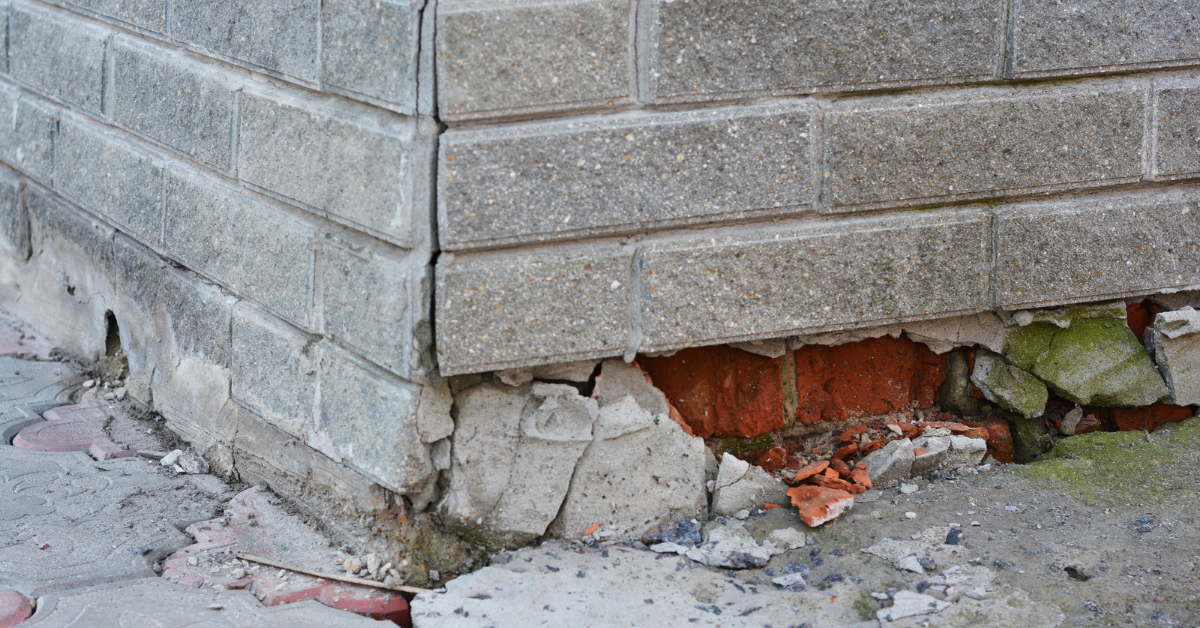
Foundation issues like cracks, deteriorating mortar joints, and settling can create pathways for water and moisture to enter your basement. Even hairline cracks can allow significant amounts of water through during heavy rains or when groundwater levels are high.
Beyond just allowing water intrusion, foundation problems can also create structural issues that affect how air and moisture move through your basement. Gaps, voids, and damaged areas become moisture traps where mold and mildew thrive.
Addressing foundation issues through professional Foundation Repair not only protects your home’s structural integrity but also eliminates entry points for moisture. Methods like crack injection, wall stabilization, and comprehensive sealing work together to keep your basement dry and odor-free.
Poor Ventilation and Air Circulation
Basements are naturally prone to poor air circulation, especially if they have few or no windows and limited airflow from your HVAC system. Stagnant air allows moisture to accumulate rather than dissipate, and any musty odors become concentrated rather than diluted.
While improving ventilation alone won’t solve an active moisture problem, it’s an important component of a comprehensive solution. Running exhaust fans, ensuring your HVAC system adequately serves the basement, and allowing for air movement all help reduce humidity and prevent odors from building up.
However, be cautious about simply opening windows during humid summer months, as this can actually introduce more moisture-laden air into your cool basement, making humidity problems worse. Mechanical dehumidification is far more effective than natural ventilation in most cases.
How to Permanently Eliminate Basement Odors
Getting rid of musty basement smells permanently requires addressing the root moisture problem, not just masking the odor with air fresheners or fans. Start by identifying all sources of moisture in your basement—this might include water seepage, high humidity, condensation, or crawlspace issues.
A comprehensive solution typically involves multiple steps: controlling groundwater through proper drainage and waterproofing, managing humidity with dehumidification, repairing any foundation damage, and ensuring adequate ventilation. Once the moisture source is eliminated, existing mold and mildew should be properly cleaned and removed.
The most effective approach is to schedule professional Basement Inspections to assess your specific situation. An experienced inspector can identify all contributing factors, recommend appropriate solutions, and help you prioritize repairs based on your home’s unique needs and your budget.
Get Professional Help for Your Musty Basement
If you’re tired of living with musty basement odors or concerned about what they mean for your home’s health, Basement Medics is here to help. Our team serves homeowners throughout New Hope, Doylestown, Princeton, Trenton, and Bucks County with comprehensive basement and foundation solutions that address moisture problems at their source. Contact us today to schedule an inspection and take the first step toward a dry, fresh-smelling basement you’ll actually want to use.
Frequently Asked Questions
Q: Will a dehumidifier alone eliminate my musty basement smell?
A: A dehumidifier can help control humidity and prevent future odors, but if you have active water intrusion or existing mold growth, you’ll need to address those issues first. Dehumidifiers work best as part of a comprehensive moisture management strategy that includes proper waterproofing and drainage.
Q: Is the musty smell in my basement dangerous to my health?
A: Yes, musty odors indicate mold and mildew growth, which can trigger allergies, asthma, and other respiratory issues. Some molds produce mycotoxins that can cause more serious health problems with prolonged exposure. It’s important to address the underlying moisture problem promptly.
Q: How quickly can I expect the smell to go away after fixing the moisture problem?
A: Once you’ve addressed the moisture source, odors typically begin to diminish within days to a few weeks. You may need to clean or remove affected materials and run a dehumidifier to speed up the process. Complete odor elimination depends on how extensive the mold growth was and how thoroughly it’s been addressed.
Q: Can I just paint over basement walls to seal in the odor?
A: No, painting over musty walls without addressing the moisture problem will not work. The smell will return, paint may peel or bubble, and mold will continue to grow behind the paint. You must solve the moisture issue first, then properly clean affected surfaces before any cosmetic improvements.
Q: How much does it typically cost to fix a musty basement permanently?
A: Costs vary widely depending on the specific problems in your basement—from a few hundred dollars for a dehumidifier to several thousand for comprehensive waterproofing. The best approach is to get a professional inspection that identifies all issues and provides prioritized recommendations. Many moisture problems worsen over time, so addressing them sooner typically costs less than waiting.