Your home’s foundation is literally what everything else rests on, but damage often develops slowly and goes unnoticed until it becomes serious. Recognizing the early warning signs of foundation problems can save you thousands of dollars in repairs and protect your biggest investment. Here’s what every homeowner in Bucks County and the surrounding areas should watch for.
Cracks in Walls and Floors
Not all cracks indicate foundation failure, but certain types demand immediate attention. Horizontal cracks in basement walls, stair-step cracks in brick or block, and cracks wider than 1/4 inch are serious red flags that your foundation may be compromised. Vertical hairline cracks are often less concerning but should still be monitored.
Pay special attention to where cracks appear. Cracks near doors and windows, cracks that extend through multiple materials (like from the foundation up into drywall), or cracks that seem to be growing over time all suggest foundation movement that requires professional evaluation through Foundation Repair services.
Interior floor cracks, especially those that feel uneven or create a height difference, can also indicate settlement issues. If you notice new cracks appearing or existing ones widening, don’t wait—schedule a Basement Inspection to assess the situation.
Doors and Windows That Stick or Won’t Close Properly
When your foundation shifts, it throws the entire structure out of alignment. One of the most noticeable effects is doors and windows that suddenly become difficult to open or close. If doors that once worked perfectly now stick in their frames, drag on the floor, or won’t latch properly, foundation movement may be the culprit.
Windows are equally telling. If you notice gaps around window frames, windows that won’t stay open, or glass that’s cracked without any obvious impact, your home’s frame may be shifting due to foundation problems. This is especially concerning if multiple doors or windows throughout the house are affected simultaneously.
Uneven or Sloping Floors
Floors should be level. If you notice marbles rolling across your basement floor, feel like you’re walking uphill in certain rooms, or see visible sagging, your foundation may be settling unevenly. This differential settlement puts stress on the entire structure and will worsen over time without intervention.
Use a level or even a smartphone app to check floors in different areas of your home. Slopes greater than 1-2 inches over 15-20 feet typically indicate a significant foundation problem. Bouncy or spongy floors, especially in basements, can signal both foundation issues and structural concerns that need immediate attention.
Gaps Between Walls and Ceiling or Floor
As foundations settle or shift, gaps can appear where walls meet ceilings or floors. These gaps may start small but can widen over time. You might also notice crown molding pulling away from the ceiling or baseboards separating from walls—both signs that your home’s structure is moving.
Check the corners of rooms particularly carefully, as this is where separation often first becomes visible. Exterior gaps where your home’s siding meets the foundation are equally concerning and can allow water intrusion that compounds the problem. Addressing these issues early with professional Foundation Repair prevents more extensive damage.
Water Intrusion and Drainage Issues
Foundation problems and water issues often go hand-in-hand. Poor drainage can cause foundation settling, while foundation cracks allow water into your basement. If you notice water pooling around your foundation, damp basement walls, or active leaking during rain, you’re dealing with conditions that both indicate and accelerate foundation damage.
Addressing water problems quickly is essential. Basement Waterproofing protects your foundation from further damage while keeping your basement dry. Many homeowners also benefit from Sump Pump Installation to actively remove water before it can affect the foundation.
In crawlspaces, standing water or excessive moisture creates conditions for foundation deterioration. Crawlspace Waterproofing and Dehumidifier Installation help maintain the dry conditions your foundation needs to remain stable.
Exterior Warning Signs
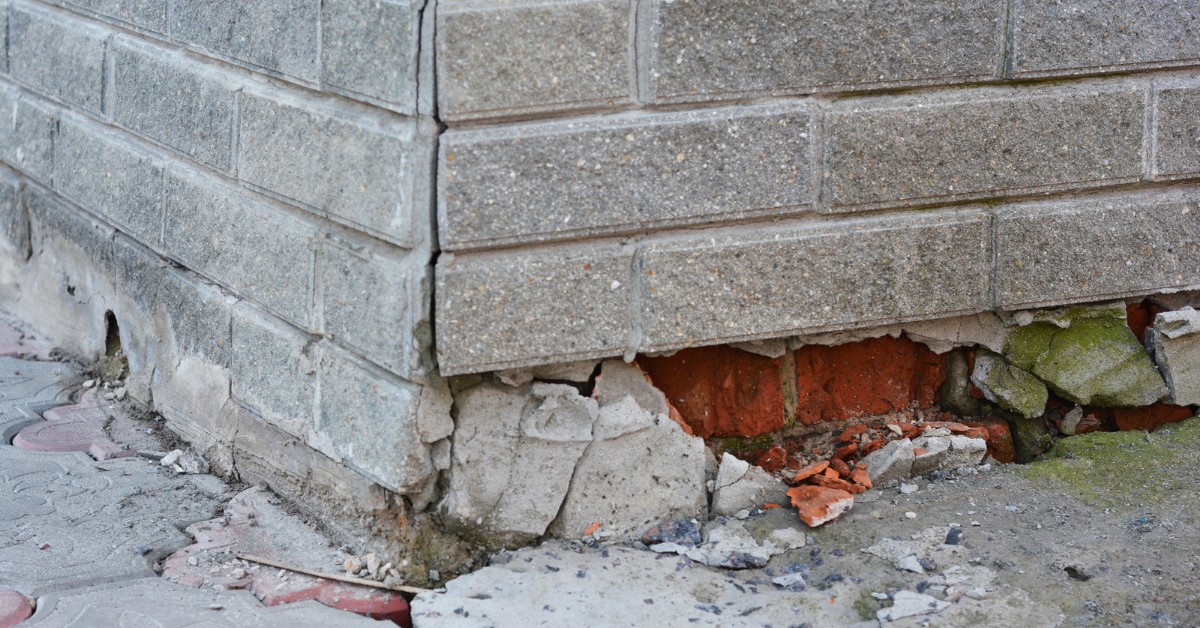
Don’t forget to inspect the outside of your home. Foundation problems often show themselves in exterior symptoms like cracked or crumbling foundation walls, tilting chimneys, or separation between the chimney and house. Brick veneer that’s pulling away from the structure or shows stair-step cracking patterns indicates serious movement.
Look at your foundation walls from ground level. Bowing, bulging, or leaning walls are emergency situations that require immediate professional attention. Even small outward movement can lead to catastrophic failure if not addressed promptly.
Nail Pops and Drywall Cracks
While nail pops can occur for various reasons, clusters of them appearing throughout your home may indicate foundation settlement. When foundations shift, it stresses the framing, which can cause nails to push through drywall. Combined with other symptoms on this list, nail pops become more significant.
Similarly, drywall cracks—especially those that run diagonally from the corners of doors and windows—suggest structural movement. These “shear cracks” form when one part of the structure moves relative to another, a telltale sign of foundation problems.
Take Action Before Small Problems Become Big Ones
Foundation problems don’t fix themselves—they only get worse and more expensive to repair. If you’ve noticed any of these warning signs in your New Hope, Doylestown, Trenton, or Princeton area home, don’t wait. Basement Medics offers comprehensive Basement Inspections to accurately assess your foundation’s condition and recommend the right solutions. Our experienced team has helped countless homeowners throughout Bucks County protect their homes with professional foundation repair and waterproofing services. Contact us today to schedule your inspection and gain peace of mind about your home’s structural integrity.
Frequently Asked Questions
Q: How quickly do foundation problems progress?
A: The progression varies depending on the cause, but most foundation problems worsen gradually over months to years. However, certain issues like water intrusion during heavy rain or freeze-thaw cycles can accelerate damage significantly. Early intervention is always less expensive than waiting.
Q: Can I repair foundation cracks myself?
A: Minor cosmetic cracks can sometimes be sealed with DIY products, but structural foundation repairs require professional expertise and equipment. Improper repairs can mask symptoms without addressing underlying problems, leading to more serious damage. A professional inspection determines what’s truly needed.
Q: How much does foundation repair typically cost?
A: Costs vary widely based on the severity and type of damage, ranging from a few hundred dollars for minor crack repairs to several thousand for extensive stabilization. Early detection and repair almost always costs less than waiting until problems become severe. A professional inspection provides accurate pricing for your specific situation.
Q: Will foundation problems affect my ability to sell my home?
A: Yes, significantly. Most home inspections will identify foundation issues, and buyers will either walk away or demand substantial price reductions. Addressing foundation problems before listing protects your home’s value and makes the sale process smoother.
Q: Are foundation problems covered by homeowners insurance?
A: Typically no. Most insurance policies exclude foundation damage caused by settling, soil movement, or poor maintenance. However, if the damage results from a covered peril like a burst pipe or specific natural disaster, you may have coverage. Always check your specific policy and document any damage promptly.