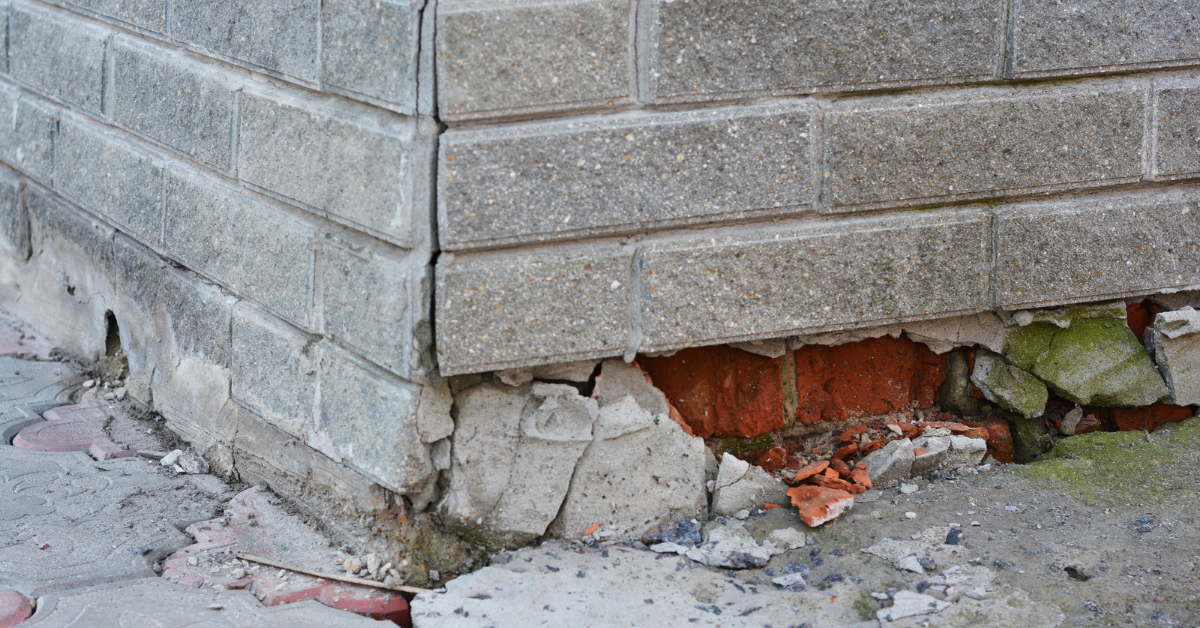
Winter in Pennsylvania and New Jersey brings more than just snow and ice—it creates a silent threat to your home’s foundation through repeated freeze-thaw cycles. Understanding how these temperature fluctuations damage your foundation can help you take proactive steps to protect your most important investment. The good news is that with proper knowledge and preventive measures, you can minimize winter’s impact on your foundation’s structural integrity.
What Are Freeze-Thaw Cycles and Why Do They Matter?
Freeze-thaw cycles occur when temperatures fluctuate above and below 32°F, causing water to repeatedly freeze and thaw. This seemingly simple process creates tremendous pressure—when water freezes, it expands by approximately 9%, generating up to 2,000 pounds per square inch of force. In the Delaware Valley region, where temperatures often hover around the freezing point during winter months, these cycles can happen dozens of times throughout the season.
The damage accumulates gradually, making it easy for homeowners to overlook until significant problems develop. Each freeze-thaw cycle weakens your foundation a little more, creating small cracks that grow larger over time. What starts as hairline fractures can eventually become major structural issues requiring extensivefoundation repair](https://basementmedics.com/foundation-repair/).
How Water Infiltration Sets the Stage for Damage
The freeze-thaw damage process begins with water infiltration. Water finds its way into even the smallest foundation cracks, porous concrete, or gaps around foundation walls. During Bucks County’s wet winters, melting snow and ice create additional moisture that can penetrate foundation materials. This water becomes trapped within the concrete or masonry, setting up the perfect conditions for freeze-thaw damage.
Once water penetrates your foundation, it doesn’t need much space to cause problems. Even microscopic amounts of water can create significant pressure when frozen. This is why proper basement waterproofing is crucial—it prevents water from entering foundation materials in the first place, eliminating the source of freeze-thaw damage.
The Progressive Nature of Foundation Damage
Freeze-thaw damage doesn’t happen overnight—it’s a progressive process that worsens with each winter season. Initially, you might notice small hairline cracks in your foundation walls or minor chips in the concrete surface. These early signs are easy to dismiss, but they represent the beginning of a potentially serious problem.
As the cycles continue, cracks widen and deepen, allowing more water to penetrate during the next thaw period. This creates a vicious cycle where each freeze-thaw event causes more damage than the last. Eventually, these expanding cracks can compromise your foundation’s structural integrity, leading to uneven settling, basement leaks, and costly repairs. Regular basement inspections can help catch these issues early before they become major problems.
Protecting Your Foundation Before Winter Arrives
Prevention is always more cost-effective than repairs when it comes to foundation damage. Start by examining your foundation for existing cracks, no matter how small, and seal them before winter weather arrives. Professional-grade sealants can prevent water infiltration and stop the freeze-thaw cycle before it starts.
Proper drainage around your foundation is equally important. Ensure gutters and downspouts direct water at least six feet away from your foundation walls. Grade soil around your home so water flows away from the foundation rather than pooling against it. Installing or upgrading your sump pump installation can also help manage excess water that might otherwise penetrate foundation materials.
Managing Moisture Levels in Your Basement and Crawlspace
Controlling moisture in your basement and crawlspace reduces the amount of water available for freeze-thaw damage. High humidity levels can contribute to condensation on foundation walls, providing another source of water for winter damage. A properly sized dehumidifier installation helps maintain optimal moisture levels year-round.
Don’t overlook your crawlspace if you have one. These areas are particularly vulnerable to moisture problems that can lead to freeze-thaw damage. Professional crawlspace waterproofing creates a barrier against moisture infiltration while improving your home’s overall cold Pennsylvania and New Jersey winters.
Recognizing When Professional Help Is Needed
While homeowners can take many preventive steps, some situations require professional expertise. If you notice foundation cracks wider than a quarter-inch, horizontal cracks, or cracks that continue to grow, it’s time to call in foundation specialists. Similarly, if you’re experiencing basement leaks, uneven floors, or doors and windows that no longer close properly, these could be signs of freeze-thaw damage that needs immediate attention.
Professional foundation contractors have specialized tools and techniques to assess damage accurately and recommend appropriate solutions. They can also identify potential problems before they become visible to untrained eyes, potentially saving you thousands in future repairs.
Don’t let another winter season damage your foundation. Contact Basement Medics today for a comprehensive foundation evaluation and learn how our waterproofing solutions can protect your home from freeze-thaw damage. Our experienced team serves homeowners throughout Bucks County, Doylestown, Princeton, Trenton, and surrounding areas with reliable, long-lasting foundation protection. Schedule your consultation now to safeguard your home’s foundation before the next freeze.