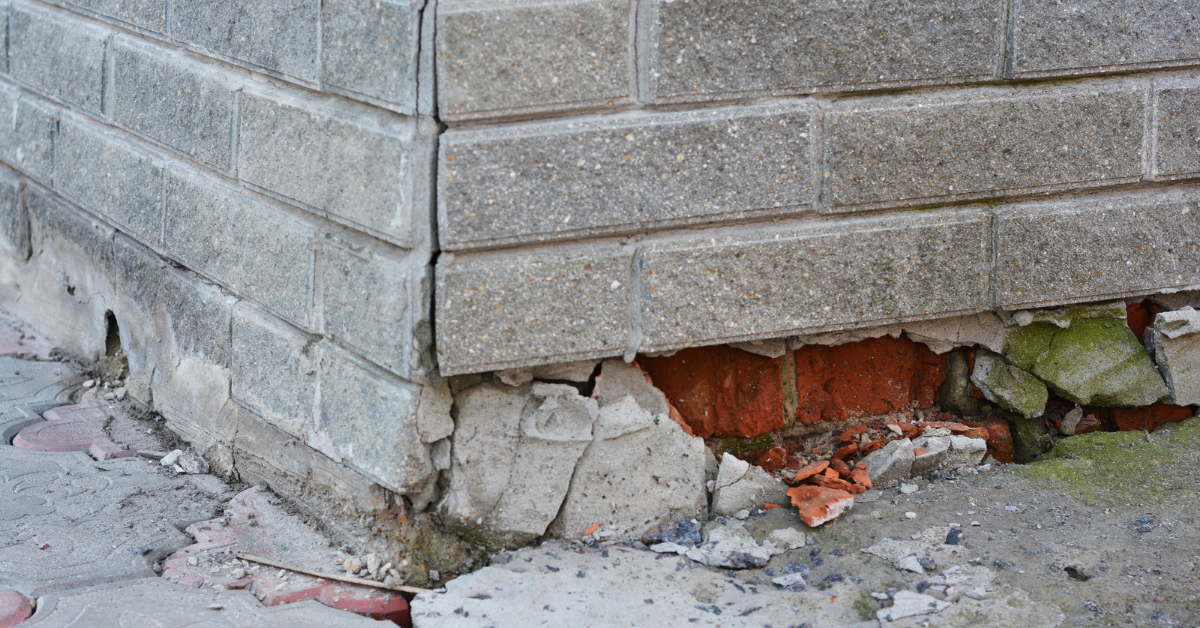
Basement humidity is more than just a comfort issue—it’s a critical factor in protecting your home’s structural integrity and your family’s health. High moisture levels can lead to mold growth, wood rot, musty odors, and even foundation damage. Understanding how to monitor and control humidity in your basement is essential for every homeowner.
Why Basement Humidity Matters
Basements are naturally prone to higher humidity levels due to their below-grade location and contact with surrounding soil. When humidity rises above 60%, it creates the perfect environment for mold, mildew, and dust mites to thrive. These conditions not only damage your belongings and home structure but can also trigger allergies and respiratory issues for your family.
Beyond health concerns, excessive moisture can compromise your home’s foundation. Water vapor penetrates concrete and masonry, leading to efflorescence, spalling, and weakened structural elements. This moisture can also travel upward through your home, affecting air quality on upper floors and increasing overall energy costs as your HVAC system works harder to compensate.
The Ideal Humidity Range for Basements
The Environmental Protection Agency recommends maintaining indoor humidity levels between 30% and 50% for optimal comfort and health. For basements specifically, aim for the lower end of this range—ideally between 30% and 45%. This level is low enough to prevent mold growth while avoiding the problems associated with air that’s too dry, such as cracking wood and increased static electricity.
Monitoring your basement humidity requires an inexpensive hygrometer, which you can purchase at most hardware stores. Place it in the center of your basement away from walls and windows for the most accurate reading. Check it regularly, especially during humid summer months and after heavy rainfall when moisture levels typically spike.
Common Sources of Basement Moisture
Understanding where excess moisture comes from helps you address the root cause. Groundwater seepage through foundation walls and floors is one of the most common culprits, especially in homes without proper waterproofing. Cracks in the foundation, poor grading around your home, and malfunctioning gutters can all direct water toward your basement.
Interior sources also contribute significantly to humidity problems. Unvented dryers, bathrooms without exhaust fans, and even everyday activities like showering and cooking can add moisture to basement air. Poor ventilation traps this moisture, allowing it to accumulate over time. Additionally, condensation forms when warm, humid air contacts cool basement surfaces, creating another source of excess moisture.
Signs Your Basement Has a Humidity Problem
Recognizing the warning signs early can save you from costly repairs. Musty or earthy odors are often the first indication of elevated humidity and potential mold growth. You might also notice condensation on windows, pipes, or walls, which signals that moisture levels are too high.
Visible signs include peeling paint, rust on metal fixtures, warped wood, and white powdery deposits on concrete walls (efflorescence). If you see water stains, discoloration on walls or floors, or actual mold growth, your basement has a serious moisture problem that requires immediate attention. A professional basement inspection can identify hidden moisture sources and assess the extent of the damage.
Solutions for Controlling Basement Humidity
Effective humidity control often requires a multi-faceted approach. Start by addressing external water sources—ensure your gutters and downspouts direct water at least six feet away from your foundation, and check that the ground slopes away from your home. Seal any visible cracks in foundation walls and floors to prevent water intrusion.
For ongoing moisture control, a dehumidifier installation is one of the most effective solutions. Unlike portable units, professionally installed systems are sized appropriately for your space and can automatically maintain ideal humidity levels. Improving ventilation through proper air circulation also helps, though this alone rarely solves significant humidity problems in basements.
When to Call a Professional
While some humidity issues can be managed with simple fixes, persistent problems indicate underlying issues that require professional expertise. If your basement consistently shows humidity levels above 50% despite running dehumidifiers, you likely have water intrusion that needs to be addressed at its source.
Other red flags include standing water, recurring mold growth even after cleaning, bowing or cracking foundation walls, and a musty smell that won’t go away. These symptoms suggest serious problems that could worsen over time and compromise your home’s structural integrity. Professional basement waterproofing creates a permanent barrier against moisture intrusion, protecting your investment and providing peace of mind.
Protect Your Home with Basement Medics
Don’t let basement humidity problems escalate into major structural damage or health hazards. At Basement Medics, we specialize in comprehensive moisture control solutions tailored to homes throughout Bucks County, Doylestown, Princeton, Trenton, and surrounding areas. Our experienced team can assess your basement’s unique challenges and recommend the most effective solutions to keep your space dry and healthy. Contact us today for a thorough inspection and free estimate—your home deserves the best protection.
Frequently Asked Questions
Q: What humidity level causes mold growth in basements?
A: Mold typically begins growing when humidity levels exceed 60% for extended periods. Most mold species thrive in environments with 70% humidity or higher. This is why maintaining basement humidity between 30-45% is crucial for preventing mold and protecting your home’s air quality.
Q: How often should I check my basement humidity levels?
A: Check your basement hygrometer at least once a week, and more frequently during humid summer months or after periods of heavy rain. If you’ve had previous moisture problems, daily monitoring during high-risk periods helps you catch issues before they escalate.
Q: Can a portable dehumidifier solve my basement humidity problem?
A: Portable dehumidifiers can help in small, minimally humid spaces, but they’re often inadequate for serious moisture problems or larger basements. They require frequent emptying, may not have sufficient capacity, and can’t address underlying water intrusion issues that cause humidity problems.
Q: Does finishing my basement help control humidity?
A: Finishing alone doesn’t control humidity—in fact, it can trap moisture and create hidden mold growth. You must address moisture issues through proper waterproofing and humidity control before finishing. Attempting to cover up moisture problems with drywall and flooring only makes them worse and more expensive to fix later.
Q: Will opening basement windows reduce humidity?
A: Opening windows can actually increase humidity during warm, humid weather because outside air contains more moisture than cooler basement air. When this warm air enters and contacts cool surfaces, condensation forms, worsening the problem. Windows may help during dry conditions, but mechanical dehumidification is more reliable.