
When it comes to keeping your basement safe and dry, few tools are as important, or as overlooked, as the sump pump. Homeowners often don’t think about theirs until a heavy rainstorm hits or water begins to collect along the foundation walls.
A properly installed and maintained sump pump is your home’s first line of defense against water intrusion. It helps prevent flooding, protects your foundation, and safeguards everything stored in your basement from moisture-related damage. At Basement Medics, we’ve seen firsthand how vital these systems are in preserving not just your basement, but the health and longevity of your entire home.
The concept behind a sump pump is simple yet incredibly effective. The pump is installed in a pit—called a sump basin—at the lowest point of your basement or crawlspace. As groundwater or excess rainwater collects around your foundation, it naturally drains into this pit.
Once the water level rises past a certain point, a float switch activates the pump. The system then channels the water away from your home through a discharge line, ensuring it doesn’t accumulate near the foundation or inside your basement.
There are two main types of sump pumps:
Submersible Pumps: Designed to sit inside the sump pit, these are quiet, efficient, and ideal for finished basements.
Pedestal Pumps: With the motor above the basin, these are easier to service and often last longer, though they can be a bit noisier.
Both options serve the same purpose, to redirect water before it becomes a problem.

Basement flooding doesn’t always come from a dramatic weather event. Even in dry months, water can enter through cracks, poor drainage, or hydrostatic pressure (when groundwater pushes up from below).
Common sources of water problems include:
Heavy or persistent rainfall
Poor exterior grading or clogged gutters
Cracks in the foundation or floor slab
Rising groundwater levels
Failing or absent waterproofing systems
In all these situations, a sump pump plays a crucial role in managing water proactively. Rather than reacting to damage after it occurs, it helps move water safely out of the home before it ever reaches your floors or walls.
A sump pump does more than prevent puddles—it preserves your home’s structure, air quality, and long-term value. Here’s why every basement should have one:
Prevents Flooding:
Heavy rains, snowmelt, or sudden storms can cause flash flooding in basements. A working sump pump automatically diverts water, even when you’re away.
Protects Your Foundation:
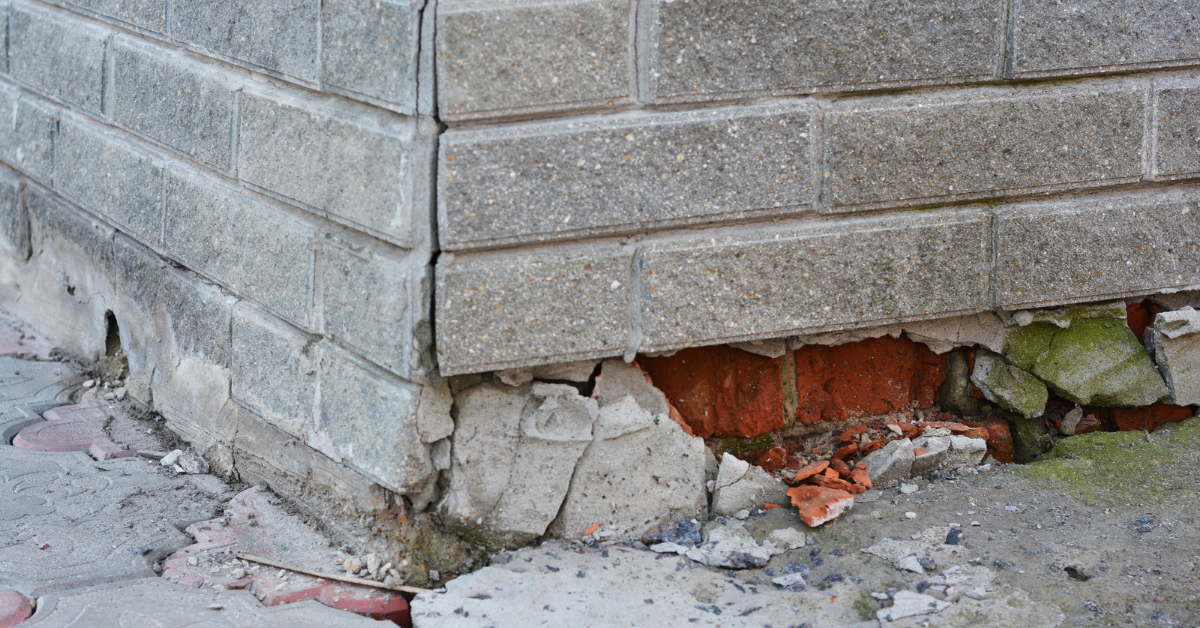
Continuous water pressure around the foundation can lead to cracking and shifting. By removing excess water, a sump pump relieves stress and helps keep the structure stable.
Reduces Mold and Mildew:
Damp basements are prime breeding grounds for mold. Maintaining dry conditions prevents spores from spreading into the air you breathe.
Protects Personal Belongings:
Whether your basement is a finished living area or a storage space, water damage can ruin furniture, flooring, and valuables.
Improves Indoor Air Quality:
Moisture buildup can increase humidity levels, leading to musty odors and poor indoor air. A dry environment contributes to a healthier home overall.
Supports Other Waterproofing Systems:
When combined with drainage channels, dehumidifiers, and vapor barriers, sump pumps form the backbone of a comprehensive basement protection plan.

Even the best sump pump needs regular attention to keep working efficiently. Neglecting maintenance can lead to failure right when you need it most.
Here’s what every homeowner should do to keep their sump system in top shape:
Test it regularly: Pour water into the pit to make sure the pump activates and drains properly.
Clean the pit and discharge line: Debris can block water flow or cause pump strain.
Inspect the check valve: This one-way valve keeps water from flowing back into the pit after it’s pumped out.
Ensure the discharge line is clear: During winter, frozen lines can cause backups that lead to flooding.
Have it serviced annually: Professional inspections can identify worn parts, faulty switches, or electrical issues before failure occurs.
Many homeowners also choose to install battery backup systems, which ensure the pump continues to work during power outages—a common time for basement flooding.
If your sump pump is over 7–10 years old, runs constantly, or makes unusual noises, it might be nearing the end of its lifespan. Older pumps can lose efficiency or fail unexpectedly, especially during peak water flow.
Upgrading to a modern, energy-efficient unit—or adding a secondary backup system—can provide peace of mind year-round. Basement Medics can help you determine the best option based on your home’s layout, water table level, and drainage needs.
Basement waterproofing starts with prevention—and that prevention begins with a reliable sump pump. When properly installed and maintained, it quietly protects your home from the costly consequences of water intrusion.
At Basement Medics, we specialize in complete waterproofing and foundation solutions designed to keep your basement dry, healthy, and structurally sound. Whether you need a new sump pump, a replacement, or a full drainage system upgrade, our team has the experience and technology to keep your home protected through every season.


 (267) 266-4827