Mold thrives in areas where moisture, organic material, and limited airflow intersect—making basements and crawlspaces the perfect environment. Once mold begins growing, it spreads quickly, damages structural materials, and contaminates indoor air quality. For many homeowners, mold is not just a cosmetic concern but a health risk, especially for those with allergies or respiratory conditions.
The key to preventing mold is simple: reduce moisture at its source and create conditions where mold cannot develop. Below are the most effective long-term strategies Basement Medics recommends for homeowners across Pennsylvania.
Control Moisture With Proper Waterproofing
Water is mold’s most critical ingredient. Even small amounts of moisture can create ideal growth conditions. Professional waterproofing helps eliminate water intrusion by addressing the root issues:
Interior drainage systems, vapor barriers, sump pumps, and exterior grading improvements are powerful solutions that stop moisture before it becomes a mold problem.
Keep Humidity Levels Below 55%
Even when water isn’t visible, humidity can create enough moisture to support mold growth. Crawlspaces and basements often retain humidity due to limited airflow and cooler temperatures. A high-quality dehumidifier—especially one designed for basement or crawlspace use—is one of the best preventive measures.
Homeowners should monitor humidity levels seasonally and adjust settings as weather conditions change.
Install Proper Ventilation (Or Seal and Condition the Space)
Older homes often have crawlspaces with passive vents that allow outdoor air to flow in. While this was once standard practice, it often worsens moisture problems. In humid climates, warm outdoor air cools as it enters the crawlspace, creating condensation.
Modern building science shows two reliable solutions:
Basement Medics specializes in crawlspace encapsulation, which includes vapor barriers, air sealing, and moisture control systems that dramatically reduce mold risk.
Repair Plumbing Leaks Immediately
Hidden plumbing leaks are one of the most common causes of mold. Even a slow drip behind walls or under flooring can support mold growth for months. Seasonal inspections of water heaters, HVAC lines, sump pumps, and visible plumbing can help detect leaks before they become severe.
If you notice staining, soft drywall, or unexplained moisture, investigate immediately—mold may already be developing.
Keep Organic Materials Away From Moisture-Prone Areas
Mold feeds on organic matter such as wood, cardboard, insulation, and dust. Homeowners should avoid storing cardboard boxes, paper goods, or fabric items directly on basement floors. Shelving, plastic storage bins, and raised platforms help minimize contact with moisture.
For crawlspaces, insulation should be properly installed to prevent it from absorbing moisture and harboring mold.
Use Vapor Barriers in Crawlspaces
Vapor barriers are one of the most effective ways to prevent mold in homes with crawlspaces. By sealing the ground with a thick plastic membrane, moisture from the soil is blocked from rising into the air. This helps stabilize humidity, reduce odors, and protect structural components.
When combined with dehumidification or ventilation, vapor barriers significantly improve indoor air quality.
Address Foundation Cracks Promptly
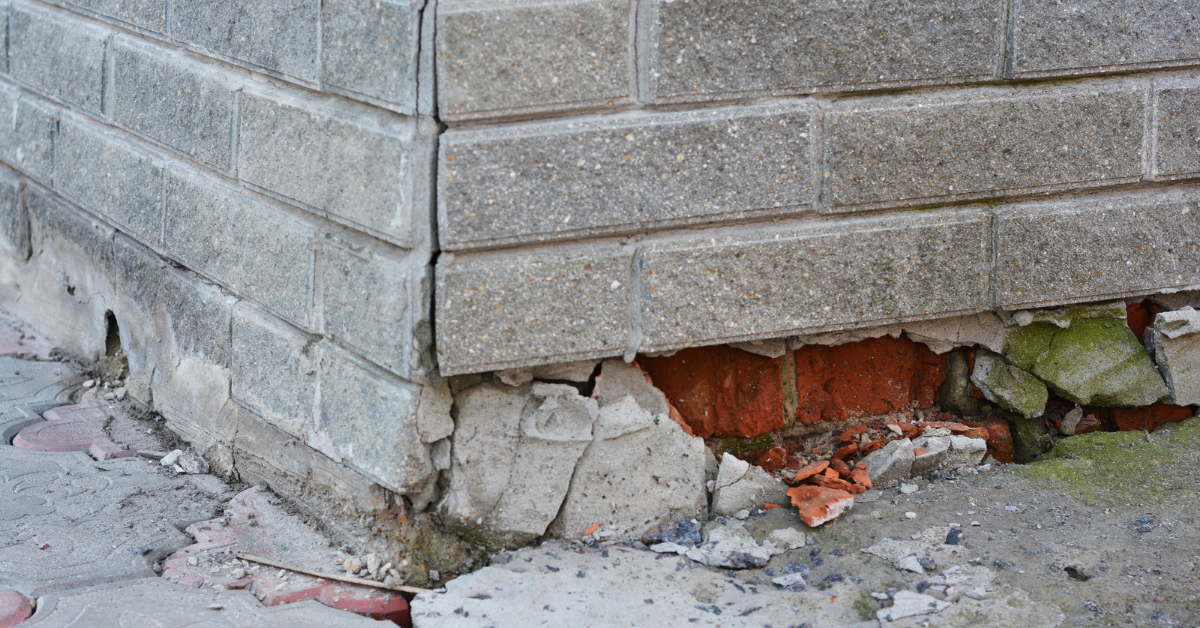
Tiny cracks often allow moisture to seep into basements slowly and consistently—creating an ideal environment for mold. Even if water infiltration seems minor, the constant dampness can cause major mold issues over time. Professional crack repair ensures the structure remains dry and mold-resistant.
Final Thoughts
Preventing mold in basements and crawlspaces requires a combination of moisture control, proper ventilation, and proactive maintenance. With the right systems in place, homeowners can keep their foundation dry, their indoor air healthy, and their home protected year-round. Basement Medics offers moisture management, waterproofing, encapsulation, and drainage solutions tailored to each home’s unique needs.



 (267) 266-4827


