As Pennsylvania and New Jersey prepare for spring’s arrival, homeowners face the annual challenge of protecting their properties from seasonal flooding and water damage. With snowmelt, heavy rains, and fluctuating temperatures, your basement becomes particularly vulnerable to water intrusion during this transitional season.
Understanding Spring Water Threats in PA and NJ
Spring flooding in our region comes from multiple sources that can overwhelm even well-maintained properties. Rapid snowmelt combined with seasonal rainstorms creates the perfect storm for basement water issues. The freeze-thaw cycle that’s common in Pennsylvania and New Jersey also weakens foundation walls and creates new entry points for water.
Ground saturation levels rise significantly during spring months, increasing hydrostatic pressure against your foundation walls. This pressure can force water through even the smallest cracks or gaps in your basement structure. Additionally, clogged gutters and downspouts from winter debris can redirect water toward your foundation, creating localized flooding risks around your home’s perimeter.
Inspecting Your Foundation Before Spring Arrives
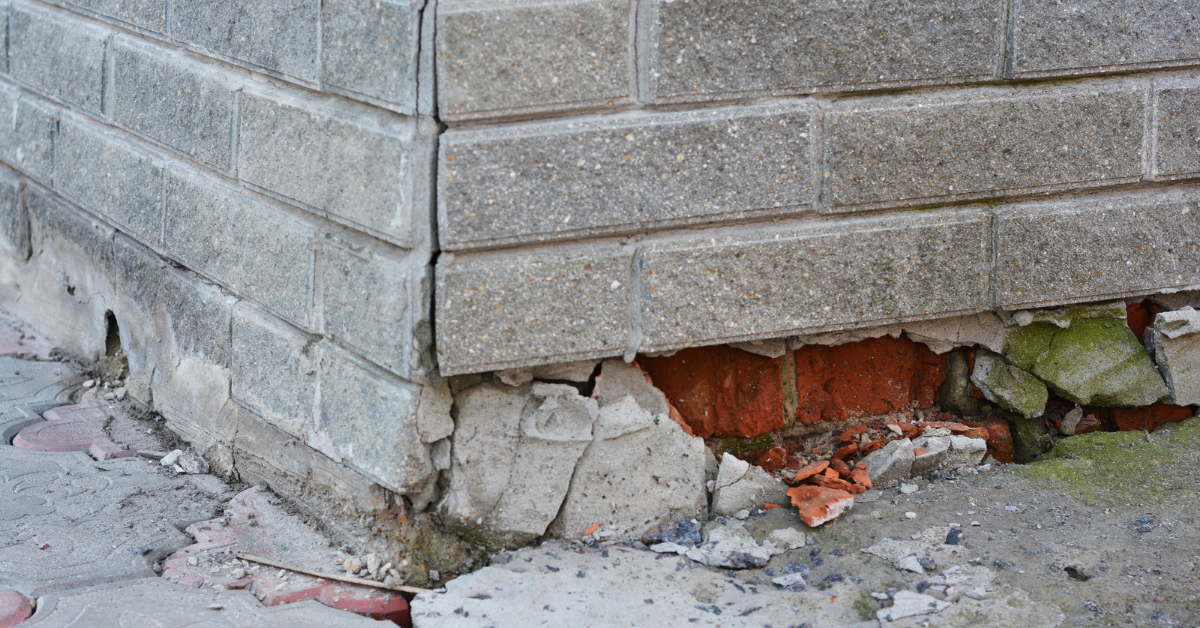
A thorough basement inspection should be your first line of defense against spring water damage. Walk around your home’s exterior and look for new cracks in foundation walls, gaps around basement windows, or areas where mortar has deteriorated over the winter months.
Pay special attention to areas where water naturally collects, such as window wells, stairwells, and low-lying sections of your foundation. Check that your basement windows are properly sealed and that window wells have adequate drainage. Inside your basement, examine walls for white chalky deposits (efflorescence), which indicate water has been penetrating your foundation even if you haven’t noticed obvious leaks.
Don’t overlook your basement floor, as hairline cracks can widen during freeze-thaw cycles and become major water entry points when spring flooding occurs. If you discover concerning issues during your inspection, professional foundation repair may be necessary before the heavy spring rains begin.
Essential Sump Pump Maintenance and Installation
Your sump pump serves as your basement’s primary defense against flooding, making pre-spring maintenance absolutely critical. Test your existing pump by pouring water into the sump pit until the float activates the pump. Listen for unusual noises, check that water flows freely through the discharge pipe, and ensure the backup power source functions properly.
If you don’t currently have a sump pump system, spring preparation is the ideal time for sump pump installation. Our region’s spring flooding patterns make sump pumps essential for most basements, particularly in lower-lying areas common throughout Bucks County and central New Jersey.
Consider upgrading to a battery backup system if you only have a primary electric pump. Spring storms frequently cause power outages, leaving your basement vulnerable precisely when protection is most needed. A properly installed sump pump system can handle thousands of gallons per hour, providing peace of mind throughout the wettest months.
Comprehensive Basement Waterproofing Solutions
Professional basement waterproofing offers the most reliable protection against spring flooding and seasonal water intrusion. Interior waterproofing systems work by managing water that has already entered your basement space, channeling it safely to your sump pump system before it can cause damage to your belongings or create moisture problems.
Exterior waterproofing addresses water issues at their source by preventing moisture from penetrating your foundation walls in the first place. This approach is particularly effective for homes built on clay soils common in our Pennsylvania and New Jersey service areas, where water tends to pool around foundations during heavy rain events.
The combination of proper drainage systems, waterproof barriers, and moisture management creates a comprehensive defense against spring flooding. Professional waterproofing also addresses issues like hydrostatic pressure that can cause structural damage if left untreated over multiple seasonal cycles.
Crawlspace Protection Strategies
Many homes in our region have crawlspaces that are equally vulnerable to spring moisture problems. Crawlspace waterproofing prevents water accumulation that can lead to structural damage, mold growth, and pest infestations during the humid spring months.
Proper crawlspace moisture control involves sealing air leaks, installing vapor barriers, and ensuring adequate drainage around the crawlspace perimeter. Standing water in crawlspaces can compromise floor joists and subflooring, leading to expensive repairs that far exceed the cost of preventive waterproofing measures.
Humidity Control and Air Quality Management
Spring’s fluctuating temperatures and increased moisture levels create ideal conditions for mold growth and humidity problems in basements and crawlspaces. Professional dehumidifier installation helps maintain optimal humidity levels year-round, protecting both your property and your family’s health.
Basement humidity should remain between 30-50% to prevent mold growth while avoiding overly dry conditions that can cause wood shrinkage and cracking. Whole-house dehumidification systems are particularly effective in our climate, where outdoor humidity levels can change dramatically between seasons.
Don’t let spring flooding catch you unprepared. The experts at Basement Medics have been protecting homes throughout Doylestown, Princeton, Trenton, and surrounding areas for years. Our comprehensive waterproofing solutions and foundation repair services ensure your basement stays dry and secure regardless of what Mother Nature brings. Contact us today for a professional assessment and customized protection plan for your home.
Frequently Asked Questions
Q: When is the best time to waterproof my basement before spring flooding season?
A: The ideal time for basement waterproofing is late winter or early spring, before the heaviest rains and snowmelt occur. This timing allows for proper curing of waterproofing materials and system testing before peak flood season arrives in March and April.
Q: How do I know if my sump pump is adequate for spring flooding in Pennsylvania and New Jersey?
A: Your sump pump should be able to handle your area’s typical rainfall plus snowmelt. Most homes in our region need pumps capable of moving at least 2,500-3,000 gallons per hour. If your basement has flooded before or your current pump runs constantly during heavy rains, you likely need an upgrade.
Q: What are the warning signs that my foundation needs repair before spring?
A: Look for new or expanding cracks in foundation walls, doors and windows that stick or won’t close properly, uneven floors, and water stains on basement walls. White, chalky deposits on foundation walls also indicate water penetration that could worsen during spring flooding.
Q: Can I prevent spring basement flooding with just exterior drainage improvements?
A: While proper grading and gutter maintenance help significantly, they’re rarely sufficient alone for reliable flood protection. Most homes need comprehensive waterproofing that includes both exterior drainage management and interior water control systems like sump pumps.
Q: How quickly can basement waterproofing be completed before spring flooding season?
A: Most residential basement waterproofing projects can be completed within 1-3 days, depending on the scope of work needed. However, scheduling early is important since spring is peak season for waterproofing contractors throughout Pennsylvania and New Jersey.