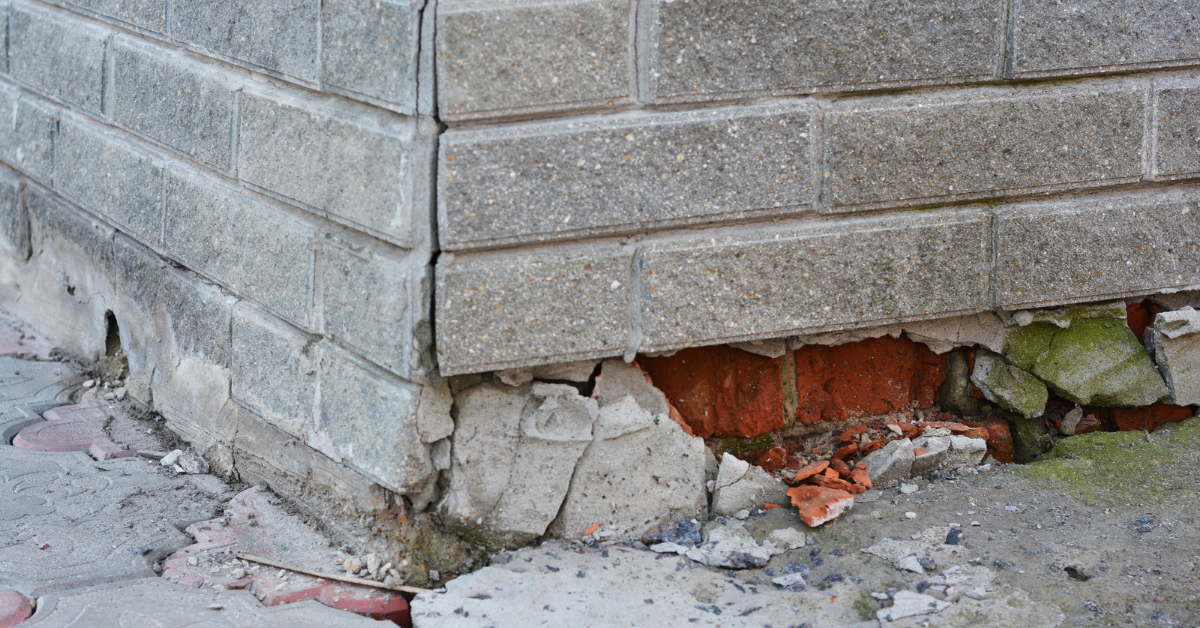
Most homeowners don’t think about their crawlspace until something goes wrong. Unfortunately, moisture problems in this hidden area can lead to serious issues like mold growth, wood rot, and even structural damage throughout your home. Recognizing the early warning signs can save you thousands in repairs.
Musty Odors Throughout Your Home
One of the first indicators of crawlspace moisture is a persistent musty smell that permeates your living spaces. This odor comes from mold and mildew growing in the damp environment below your floors. Since air naturally rises from your crawlspace into your home, these unpleasant smells quickly spread throughout your living areas.
The musty odor is more than just unpleasant—it’s a sign that mold spores are circulating through your home’s air. This can trigger allergies, respiratory problems, and other health issues for your family. If you notice this smell, especially in your first-floor rooms, it’s time to investigate your crawlspace immediately.
Standing Water or Puddles
Visible water pooling in your crawlspace is an obvious red flag that shouldn’t be ignored. Standing water can result from poor drainage, plumbing leaks, groundwater seepage, or high water tables in areas like Bucks County and the surrounding New Jersey communities.
Even small amounts of standing water create the perfect breeding ground for mold and attract pests like termites and rodents. The constant moisture also weakens wooden support beams and floor joists, compromising your home’s structural integrity. If you see water accumulation, professional Crawlspace Waterproofing is essential to prevent further damage.
Condensation on Pipes and Surfaces
When you notice water droplets forming on pipes, HVAC ducts, or other surfaces in your crawlspace, you’re seeing condensation caused by high humidity levels. This happens when warm, moist air comes into contact with cooler surfaces, leaving behind moisture that never fully evaporates in the confined space.
Persistent condensation keeps surfaces constantly damp, promoting rust on metal components and creating ideal conditions for mold growth. It also indicates that your crawlspace has poor ventilation and excessive humidity that needs to be addressed with proper moisture control solutions.
Sagging or Uneven Floors Above
Moisture damage in your crawlspace directly affects the floor joists and support beams that hold up your floors. As wood absorbs moisture, it weakens and begins to sag, creating noticeable dips or soft spots in your flooring above. You might notice that doors no longer close properly or that furniture seems unlevel.
These structural changes aren’t just cosmetic issues—they indicate that your home’s support system is being compromised. Wood rot from moisture exposure can progress quickly, and the longer it goes untreated, the more extensive and expensive the repairs become. Addressing the moisture source is critical before structural damage worsens.
Visible Mold or Mildew Growth
Black, green, or white patches on crawlspace surfaces are clear evidence of mold or mildew colonization. Mold thrives in dark, damp environments with poor air circulation—exactly what an unprotected crawlspace provides. Once established, mold spreads rapidly across wood surfaces, insulation, and even concrete.
Beyond the health risks mold poses to your family, it also causes significant property damage. Mold feeds on organic materials like wood, gradually destroying structural components. Professional Dehumidifier Installation combined with proper encapsulation can eliminate the conditions that allow mold to flourish.
Increased Pest Activity
Moisture attracts more than just mold—it also draws various pests seeking water sources. Termites are particularly problematic, as they’re attracted to the combination of moisture and wood. Carpenter ants, silverfish, and even rodents also prefer damp environments and will make your crawlspace their home.
These unwanted visitors cause additional damage to your property and can carry diseases into your living spaces. If you’ve noticed increased pest activity in your home, especially near ground-level areas, moisture in your crawlspace may be the underlying cause that needs addressing.
High Indoor Humidity Levels
Your crawlspace significantly impacts your home’s overall humidity levels. If your indoor humidity consistently exceeds 60%, or you notice condensation on windows even when it’s not particularly humid outside, moisture from below is likely the culprit. This elevated humidity makes your home uncomfortable and forces your HVAC system to work harder.
High humidity also accelerates wear on your belongings, causing wallpaper to peel, paint to bubble, and wood furniture to warp. Managing crawlspace moisture through professional waterproofing creates a healthier, more comfortable indoor environment while protecting your property investment.
Don’t wait until moisture problems in your crawlspace cause serious damage to your home. The experts at Basement Medics serve Doylestown, Princeton, Trenton, Warrington, and throughout Bucks County with comprehensive moisture control solutions. Schedule your Basement Inspections today to identify problems early and protect your home’s foundation, air quality, and structural integrity.
Frequently Asked Questions
Q: How quickly can crawlspace moisture cause damage?
A: Moisture problems can cause noticeable damage within weeks to months, depending on the severity. Mold can begin growing within 24-48 hours of water exposure, while structural damage to wood develops over several months of constant moisture exposure.
Q: Can I fix crawlspace moisture problems myself?
A: While minor humidity issues might be addressed with portable dehumidifiers, significant moisture problems require professional assessment and solutions. Proper waterproofing involves drainage systems, vapor barriers, and sometimes structural repairs that need expert installation.
Q: What’s the ideal humidity level for a crawlspace?
A: Crawlspace humidity should be kept below 55% to prevent mold growth and wood rot. Professional-grade dehumidifiers and proper encapsulation help maintain these levels year-round, regardless of outside weather conditions.
Q: Does homeowners insurance cover crawlspace moisture damage?
A: Most standard homeowners insurance policies don’t cover damage from ongoing moisture problems or lack of maintenance. However, sudden plumbing failures might be covered. It’s best to prevent moisture issues proactively rather than rely on insurance coverage.
Q: How much does crawlspace waterproofing typically cost?
A: Costs vary depending on crawlspace size, the extent of moisture damage, and the solutions required. A professional inspection can provide an accurate estimate based on your specific situation. Investing in proper waterproofing now prevents far more expensive structural repairs later.