A basement is one of the most valuable areas of a home—whether it’s used for storage, mechanical equipment, or additional living space. But because it sits below grade, it is also at the greatest risk of moisture intrusion, structural shifting, and hidden damage. The good news: routine seasonal inspections can significantly reduce the likelihood of water issues, mold, and foundation deterioration. Taking time each spring and fall to evaluate your basement’s condition can help you catch small red flags long before they develop into costly repairs.
Below is a practical, homeowner-friendly checklist developed from the most common issues Basement Medics sees throughout Pennsylvania homes. With these steps, you’ll be better prepared for changing weather, shifting soil conditions, and seasonal humidity.
1. Inspect Basement Walls for Cracks or Bowing
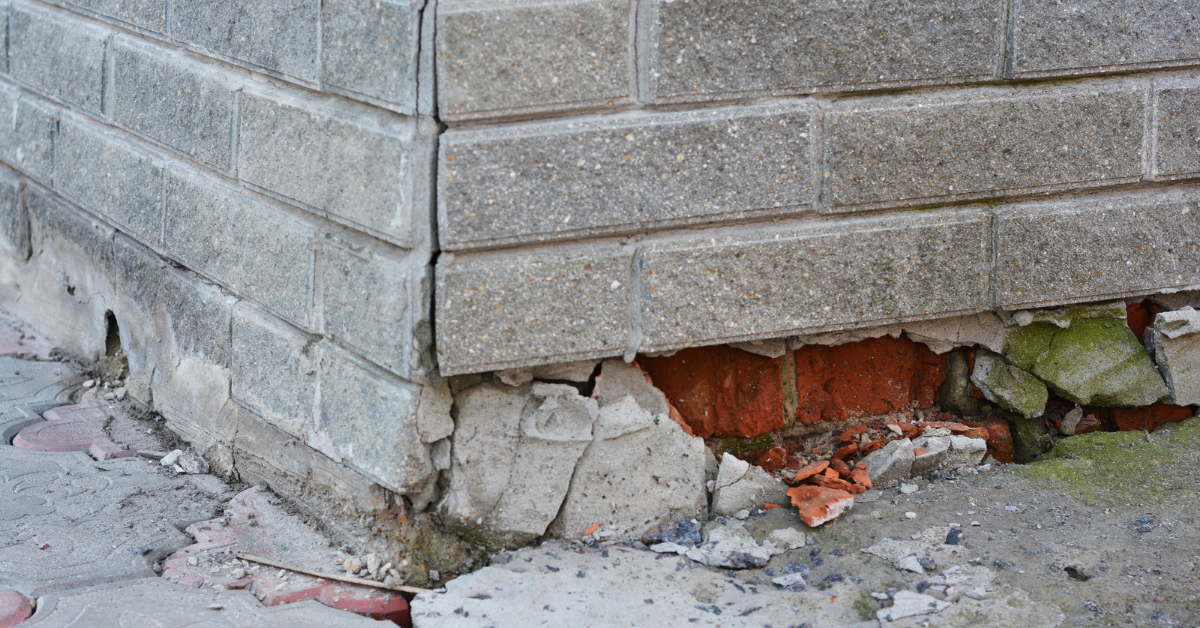
Seasonal changes cause soil to expand, contract, and hold varying moisture levels. This movement puts pressure on basement walls, which may lead to cracking or inward bowing. Homeowners should carefully inspect all concrete surfaces for:
Horizontal cracks
Stair-step cracks in masonry
Vertical cracks that appear to be widening
Wall surfaces that seem to lean or bulge
Small hairline cracks are often harmless, but anything larger or worsening season after season is a sign of foundation stress. Spring thaw and fall rainfall are both peak periods for hydrostatic pressure, so timely inspections are essential.
2. Check for Moisture on Floors, Walls, or in Air
Even if standing water isn’t present, moisture can still accumulate in subtle ways. Basement surfaces may feel damp, smell musty, or show faint discoloration. Common signs include condensation on pipes, sweating walls, or moisture rings on concrete.
Humid spring weather and tightly sealed homes during the fall create ideal conditions for dampness—so this should be a top priority inspection every season. A dehumidifier, improved ventilation, or professional waterproofing may be needed depending on severity.
3. Test Your Sump Pump System
Spring rainstorms and fall downpours are two of the most dangerous times for sump pump failure. Every homeowner should:
Lift the float switch to ensure the pump activates
Check the discharge line for blockages
Inspect the sump pit for debris
Make sure the pump is plugged into a dedicated outlet
If your home relies heavily on a sump pump, consider adding a battery backup system to stay protected during power outages—something Basement Medics strongly recommends for storm-prone regions.
4. Examine Your Basement Windows and Window Wells
Window wells and aging window frames can allow water to seep into the basement, especially during long periods of rainfall. Look for rusted well covers, soil buildup around wells, cracked frames, or soft wood. Proper sealing and drainage are crucial to keeping groundwater out.
In the fall, remove leaves and debris from wells to maintain clear drainage channels before winter storms arrive.
5. Inspect Gutters and Downspouts From the Basement Perspective
While gutters aren’t physically in the basement, they are one of the biggest causes of basement water issues. If downspouts dump water too close to the foundation, moisture will inevitably find its way inside. Every spring and fall, homeowners should ensure:
Downspouts extend at least 6 feet from the house
Gutters are clear of debris
Water flows freely during rain
Redirecting roof runoff is one of the most effective ways to protect your basement year-round.
6. Check for Mold or Musty Odors
Even if mold isn’t visible, musty odors can reveal moisture problems. Basements often hide early mold growth in dark corners, behind stored items, or along joists. Seasonal checks allow you to catch these issues before they spread into the home’s living areas.
If mold is detected, Basement Medics can implement moisture control strategies and waterproofing to prevent recurrence.
7. Walk Through the Crawlspace (If Your Home Has One)
Many homeowners skip this step simply because crawlspaces are uncomfortable to access. However, they are often the origin of basement humidity, odors, and structural trouble. Inspect for:
Standing water
Wet insulation
Mold or wood rot
Damaged vapor barriers
Unwanted pests
Fall is the ideal time to prepare your crawlspace for winter, while spring checks help identify damage that occurred during cold-weather condensation cycles.
Final Thoughts



 (267) 266-4827


