A home inspection can make or break a real estate deal, and the basement is one of the most scrutinized areas. Buyers and inspectors look closely for signs of water damage, structural issues, and poor maintenance. Proper preparation ensures your basement passes inspection and helps maintain your home’s value.
Start With a Professional Basement Inspection
Before the official home inspection, consider scheduling a Basement Inspection with professionals who know what inspectors look for. This proactive approach allows you to identify and address potential red flags before buyers see them. A pre-inspection gives you time to make necessary repairs and document any improvements you’ve made. Basement Medics can evaluate your space for moisture issues, structural concerns, and ventilation problems that commonly appear on inspection reports.
Address Any Signs of Water Damage or Leaks
Water intrusion is one of the biggest concerns during basement inspections. Look for water stains on walls and floors, efflorescence (white chalky deposits), and musty odors that indicate moisture problems. Check around windows, pipes, and where the wall meets the floor for dampness or discoloration. If you discover active leaks or past water damage, professional Basement Waterproofing can resolve these issues permanently. Document any waterproofing work you’ve completed, as this demonstrates proactive maintenance to potential buyers.
Ensure Your Sump Pump Is Functioning Properly
A working sump pump is essential for basement moisture control and will be tested during most inspections. Remove the cover and verify the pump activates when you pour water into the pit. Listen for unusual noises that might indicate mechanical problems, and check that water discharges properly away from your foundation. If your pump is older than seven years or shows signs of wear, consider Sump Pump Installation of a newer, more reliable model. Having a battery backup system installed demonstrates extra protection against flooding and can be a selling point.
Check and Repair Foundation Issues
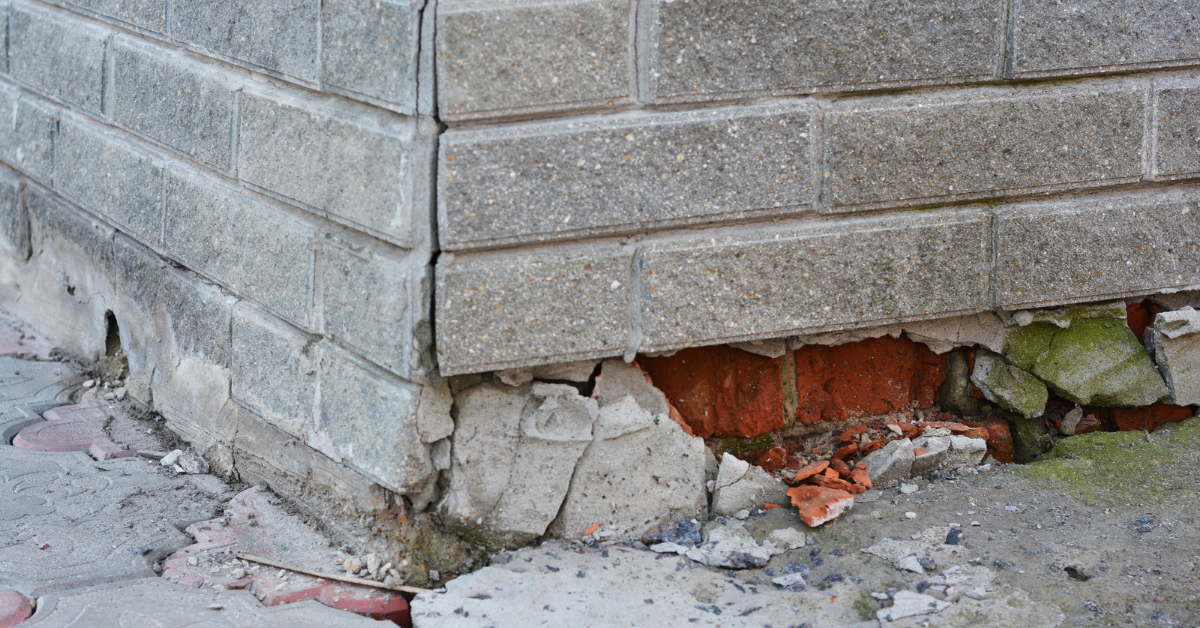
Foundation problems raise serious concerns for buyers and can derail a sale. Walk around your basement looking for cracks wider than 1/8 inch, bowing or bulging walls, and uneven floors. Check for gaps around window frames and doors that might indicate settling or movement. Professional Foundation Repair addresses these structural concerns before they become deal-breakers. Even minor foundation issues should be evaluated by experts, as inspectors will recommend further evaluation for anything that appears questionable.
Control Humidity and Improve Air Quality
Excessive humidity leads to mold, mildew, and musty odors that immediately concern inspectors and buyers. Ideally, basement humidity should stay between 30-50 percent year-round. If you notice condensation on pipes, damp walls, or that characteristic basement smell, address it before the inspection. Dehumidifier Installation provides continuous moisture control that protects your investment. A properly sized, professionally installed dehumidifier shows buyers that the space is well-maintained and healthy.
Don’t Forget Crawlspace Areas
Many homeowners focus on finished basements while neglecting crawlspaces, but inspectors examine these areas carefully. Crawlspaces with standing water, damaged vapor barriers, or pest evidence will appear prominently in inspection reports. Look for sagging insulation, wood rot, and moisture on floor joists or support beams. If your crawlspace has moisture issues, Crawlspace Waterproofing creates a dry, protected environment that passes inspection. Proper crawlspace maintenance also prevents problems from spreading to other areas of your home.
Clean, Organize, and Make It Accessible
A clean, well-organized basement makes a positive impression and allows inspectors to access all areas easily. Remove clutter, especially around mechanical systems, sump pumps, and foundation walls that need examination. Ensure adequate lighting so inspectors can see clearly into corners and examine surfaces thoroughly. Clear pathways to electrical panels, water heaters, and HVAC systems, as inspectors must access these areas. A tidy basement suggests overall good maintenance and makes it easier for inspectors to complete their work efficiently.
Get Expert Help Before It’s Too Late
Don’t wait until inspection day to discover basement problems. Basement Medics serves homeowners throughout Bucks County PA, including Doylestown, Warrington, and New Hope, plus Ewing NJ, Princeton NJ, and Trenton NJ. Our experienced team can evaluate your basement, address any concerns, and ensure you’re ready for a successful inspection. Contact us today to schedule your pre-inspection evaluation and protect your home sale.
Frequently Asked Questions
Q: How far in advance should I prepare my basement for a home inspection?
A: Start at least 2-3 weeks before listing your home. This gives you time to identify problems, complete necessary repairs, and allow waterproofing or foundation work to cure properly before the inspection.
Q: What are the most common basement issues that fail home inspections?
A: Water intrusion, foundation cracks, non-functional sump pumps, excessive humidity, mold growth, and structural concerns are the most common reasons basements fail inspections. Most of these can be addressed with professional waterproofing and repair services.
Q: Should I fix minor foundation cracks before an inspection?
A: Yes. Even small cracks raise concerns for buyers and inspectors. Professional evaluation and repair demonstrate responsible maintenance and prevent inspectors from recommending further structural analysis, which can delay or complicate sales.
Q: Will a dehumidifier help my basement pass inspection?
A: A properly functioning dehumidifier controls moisture levels, prevents mold growth, and eliminates musty odors—all factors inspectors examine. It shows proactive moisture management, which is especially important in naturally damp basements.
Q: Can I be present during the basement portion of the home inspection?
A: While you can be present, it’s often better to let your real estate agent handle it. If you’ve already addressed issues through professional services, provide documentation of the work completed, which speaks more effectively than explanations during the inspection.