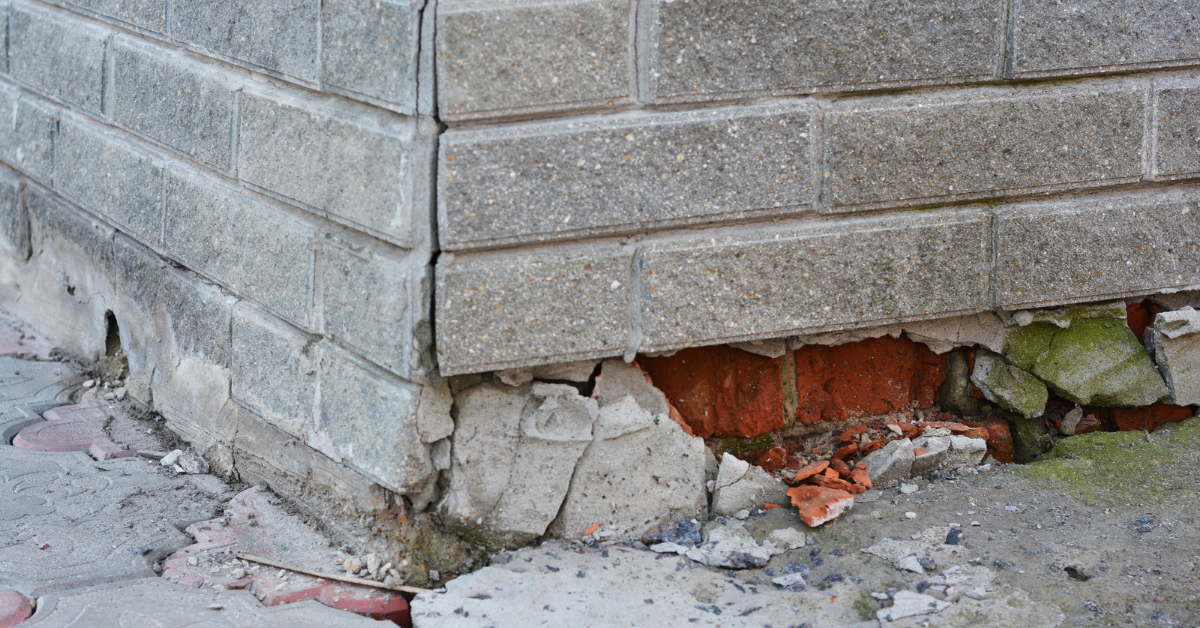
Heavy rainfall can wreak havoc on your home’s basement and foundation, leading to costly damage if left unaddressed. Understanding how water impacts these critical areas helps homeowners take proactive steps to protect their property and avoid expensive repairs down the line.
Water Pressure Builds Against Foundation Walls
When heavy rain saturates the soil around your home, it creates hydrostatic pressure against foundation walls. This pressure forces water through any cracks, gaps, or porous areas in the concrete. Over time, the constant force can widen existing cracks and create new ones, compromising your foundation’s structural integrity. Even small amounts of water penetration can lead to significant problems as the cycles repeat with each rainfall.
The soil type around your foundation plays a major role in how much pressure builds up. Clay-heavy soils retain more water and expand when wet, putting additional stress on foundation walls. Sandy soils drain better but can still allow water to pool if drainage systems aren’t properly maintained.
Basement Flooding and Water Intrusion
The most obvious effect of heavy rain is basement flooding. Water can enter through foundation cracks, window wells, basement doors, or the floor-wall joint where the foundation meets the basement floor. Even minor seepage creates a damp environment that encourages mold growth and damages stored belongings.
Flooding doesn’t always happen immediately during a storm. Sometimes water slowly seeps in over hours or days as the saturated ground continues pushing moisture toward your foundation. This delayed intrusion can be just as damaging as sudden flooding. Professional Basement Waterproofing creates barriers that keep water out regardless of when it tries to enter.
Foundation Settling and Shifting
Heavy rain causes soil erosion around your foundation, washing away the supportive earth that keeps your home stable. As soil erodes or becomes oversaturated, it loses its load-bearing capacity. This can cause your foundation to settle unevenly, leading to cracks in walls, uneven floors, and doors or windows that stick or won’t close properly.
The weight of waterlogged soil pressing against your foundation can also cause lateral movement, pushing walls inward. This type of shifting creates horizontal cracks and can lead to serious structural problems if not addressed promptly. Regular monitoring after heavy storms helps catch these issues early.
Crawlspace Vulnerability to Standing Water
Homes with crawlspaces face unique challenges during heavy rain. Without proper drainage and encapsulation, crawlspaces become pools of standing water that create moisture problems throughout your home. The damp environment rots wooden support beams, attracts pests, and sends humid air up into your living spaces.
Standing water in crawlspaces also increases the moisture content of the soil beneath your home, which can lead to foundation settlement. The humidity promotes mold and mildew growth on floor joists and insulation. Crawlspace Waterproofing systems address these problems by keeping water out and controlling moisture levels.
Sump Pump Overload During Storms
Your sump pump works hardest during heavy rainfall, and that’s when failures are most likely to occur. If your pump isn’t sized correctly for your home or if it’s aging, it may not keep up with the volume of water entering your sump pit during intense storms. Power outages during severe weather can also leave your basement vulnerable if you don’t have a battery backup system.
A malfunctioning sump pump during a major rain event can result in catastrophic basement flooding. The damage from even a few inches of water can cost thousands of dollars to remediate. Regular maintenance and timely replacement ensure your system functions when you need it most.
Exterior Drainage System Failures
Gutters, downspouts, and exterior drainage systems are your first line of defense against heavy rain, but they only work if properly maintained. Clogged gutters overflow and dump water right next to your foundation instead of directing it away from your home. Downspouts that discharge too close to the house funnel water directly toward basement walls.
French drains and other exterior drainage solutions can become overwhelmed during heavy storms if they weren’t designed for your property’s water volume. Soil and debris can clog perforated pipes, rendering them ineffective. Evaluating your exterior drainage after experiencing water problems helps identify weak points in your system.
Long-Term Structural Consequences
Repeated exposure to heavy rain without proper waterproofing measures leads to progressive foundation damage. What starts as minor seepage can evolve into major structural problems requiring extensive repairs. Concrete deteriorates faster when constantly exposed to moisture, and the freeze-thaw cycles that follow rainstorms accelerate this damage.
The longer foundation issues go unaddressed, the more expensive repairs become. Small cracks that could be sealed affordably can grow into problems requiring foundation underpinning or wall stabilization. Taking action after the first signs of water intrusion prevents minor issues from becoming major structural concerns.
Don’t wait for the next heavy storm to find out if your basement and foundation can handle it. Contact Basement Medics today for a thorough Basement Inspection and protect your home from water damage before it starts.
Frequently Asked Questions
Q: How quickly can heavy rain cause basement flooding?
A: Basement flooding can occur within minutes during intense rainfall if your waterproofing and drainage systems are inadequate. However, water intrusion often happens gradually over several hours as soil becomes saturated and hydrostatic pressure builds against foundation walls.
Q: What are the first signs that heavy rain is affecting my foundation?
A: Watch for damp spots on basement walls or floors, musty odors, new or widening cracks in foundation walls, water stains near the floor-wall joint, and increased humidity levels in your basement. Exterior signs include soil erosion near your foundation and water pooling around your home’s perimeter.
Q: Can one heavy rainstorm cause permanent foundation damage?
A: While a single storm rarely causes catastrophic failure, it can create or worsen cracks and water intrusion points that lead to progressive damage. Repeated exposure to heavy rain without proper drainage and waterproofing systems causes cumulative harm that becomes permanent structural damage over time.
Q: How much rain is considered “heavy” for basement and foundation concerns?
A: Generally, rainfall exceeding one inch per hour or multi-day storms totaling three or more inches pose significant risks to basements and foundations. However, homes with existing drainage problems or foundation vulnerabilities may experience issues with lesser amounts, especially if the ground is already saturated from previous rainfall.
Q: Is waterproofing really necessary if I’ve never had basement water problems?
A: Yes, proactive waterproofing protects your home before problems develop. Many factors can change over time, including soil settlement, aging foundation materials, modified landscaping, and increasingly intense weather patterns. Waterproofing is far less expensive than repairing water damage and foundation issues after they occur.