Many homeowners in Bucks County and the greater New Hope area don’t think twice about their crawlspace—until something goes wrong. What happens beneath your home doesn’t stay beneath your home. Crawlspace issues can compromise your foundation, indoor air quality, and even the structural integrity of your entire house.
Your Crawlspace Affects the Air You Breathe
Up to 50% of the air in your home comes from your crawlspace due to the “stack effect,” where air naturally rises from lower levels to upper floors. When your crawlspace harbors moisture, mold, or mildew, those contaminants circulate throughout your living spaces. This can trigger allergies, respiratory problems, and persistent musty odors that no amount of air freshener can mask.
Poor air quality from crawlspace issues often goes undiagnosed because homeowners don’t connect their health symptoms to what’s happening below. If family members experience unexplained breathing difficulties or allergies that worsen at home, a Basement Inspection can reveal whether crawlspace contamination is the culprit.
Moisture Problems Lead to Wood Rot and Structural Damage
Excessive moisture in your crawlspace creates the perfect environment for wood rot. Floor joists, support beams, and subflooring absorb moisture and begin to deteriorate over time. As these structural components weaken, you’ll notice sagging floors, bouncy spots when walking, and doors that no longer close properly.
Wood rot doesn’t happen overnight, but once it starts, it spreads quickly. The fungi that cause rot thrive in damp, dark environments with poor ventilation—exactly what an untreated crawlspace provides. What begins as a minor moisture issue can escalate into tens of thousands of dollars in structural repairs if left unchecked.
Professional Crawlspace Waterproofing addresses moisture at its source, preventing wood rot before it compromises your home’s structure. This proactive approach costs far less than repairing damaged floor systems later.
Foundation Settlement from Crawlspace Moisture
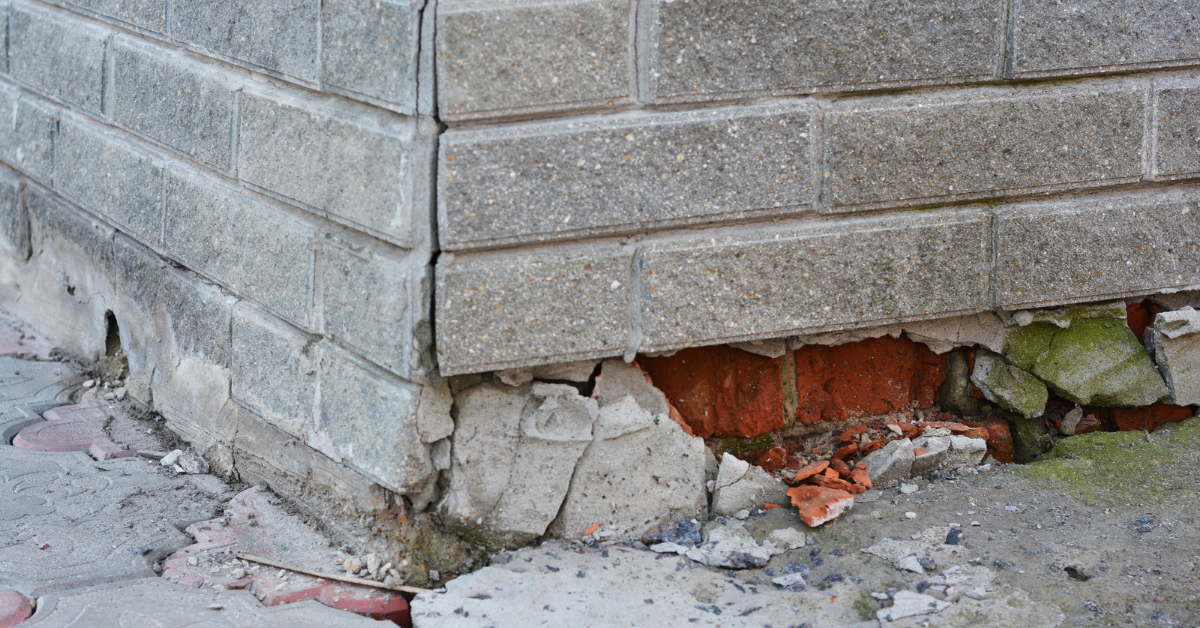
When water accumulates in your crawlspace, it saturates the soil beneath your foundation. This soil expansion and contraction cycle—especially common during New Jersey and Pennsylvania’s freeze-thaw seasons—can cause foundation settlement and shifting. You’ll see evidence of this movement in the form of cracks in walls, separation between walls and ceilings, and windows that stick.
Foundation problems stemming from crawlspace moisture often require comprehensive Foundation Repair to stabilize your home. The longer moisture issues persist, the more severe the settlement becomes, potentially affecting your home’s resale value and safety.
Proper crawlspace moisture control protects your foundation by maintaining consistent soil moisture levels. A vapor barrier installation combined with drainage improvements prevents the water infiltration that leads to these costly foundation issues.
Pest Infestations Thrive in Damp Crawlspaces
Rodents, insects, and other pests are attracted to moist crawlspaces because they provide shelter, moisture, and often food sources like mold and decaying wood. Termites are particularly concerning—they need moisture to survive and will actively seek out damp wood in your crawlspace, potentially causing catastrophic structural damage.
Once pests establish themselves in your crawlspace, they rarely stay contained. They’ll find ways into your main living areas through gaps around plumbing, electrical lines, and HVAC ducts. The droppings, nesting materials, and carcasses they leave behind further degrade air quality and create health hazards.
Addressing moisture problems through proper Crawlspace Waterproofing eliminates the conditions that attract pests in the first place. A dry, properly sealed crawlspace is far less inviting to unwanted visitors.
HVAC Inefficiency and Increased Energy Costs
Your HVAC system works harder when your crawlspace has temperature and humidity issues. In summer, a hot, humid crawlspace forces your air conditioning to run longer to maintain comfortable temperatures. In winter, cold air from an uninsulated crawlspace makes your heating system work overtime.
Ductwork running through your crawlspace is especially problematic. When ducts pass through humid spaces, condensation forms on their exterior, promoting mold growth. Meanwhile, the temperature difference between the conditioned air inside the ducts and the crawlspace air around them reduces system efficiency by up to 25%.
Installing a Dehumidifier Installation in your crawlspace helps regulate humidity levels year-round. Combined with proper insulation and moisture barriers, this dramatically improves HVAC efficiency and lowers utility bills.
Decreased Property Value and Insurance Issues
When it comes time to sell your home, crawlspace problems will surface during the buyer’s inspection. Water damage, mold, structural concerns, and pest evidence are major red flags that can derail sales or force you to accept a significantly lower offer. Many buyers will walk away entirely rather than inherit someone else’s crawlspace problems.
Insurance companies are also taking crawlspace conditions more seriously. Some insurers now require crawlspace inspections before issuing or renewing policies, particularly in flood-prone areas like Ewing, Trenton, and parts of Bucks County. Existing moisture damage or inadequate waterproofing can result in higher premiums or even coverage denials.
Investing in professional Basement Waterproofing and crawlspace solutions protects both your property value and insurability. These improvements demonstrate to buyers and insurers that you’ve proactively maintained your home’s most vulnerable areas.
Mold Growth Spreads Beyond the Crawlspace
Mold doesn’t respect boundaries. Once it establishes itself in your crawlspace, spores become airborne and travel throughout your home via air currents and HVAC systems. These spores settle on surfaces in bedrooms, bathrooms, and living areas, where they’ll grow if conditions are right.
Certain mold species produce mycotoxins that pose serious health risks, especially to children, elderly family members, and those with compromised immune systems. Long-term exposure can lead to chronic health conditions that persist even after the mold is remediated.
Controlling crawlspace humidity through proper waterproofing and Dehumidifier Installation keeps humidity below the 60% threshold where mold thrives. This protection extends throughout your entire home, safeguarding both your property and your family’s health.
Don’t wait until crawlspace problems affect your entire home. Basement Medics serves Doylestown, Princeton, Warrington, and communities throughout Bucks County with comprehensive crawlspace solutions. Our experienced team will assess your crawlspace, identify existing problems, and implement lasting solutions that protect your home’s structural integrity and indoor air quality. Contact us today to schedule your crawlspace evaluation and take the first step toward a healthier, safer home.
Frequently Asked Questions
Q: How often should I inspect my crawlspace for problems?
A: You should visually inspect your crawlspace at least twice a year—once in spring and once in fall. Look for standing water, moisture on surfaces, musty odors, pest evidence, and wood deterioration. A professional Basement Inspection every 2-3 years can catch problems you might miss and provide expert recommendations for prevention.
Q: What are the first signs that my crawlspace has a moisture problem?
A: Common early warning signs include musty odors in your home, increased allergy symptoms, visible condensation on crawlspace surfaces, efflorescence (white mineral deposits) on foundation walls, and higher-than-normal humidity levels on upper floors. You might also notice sagging floors or bouncy spots when walking across rooms above the crawlspace.
Q: Can I fix crawlspace moisture problems myself, or do I need a professional?
A: While you can address minor issues like improving ventilation or fixing small drainage problems, comprehensive crawlspace waterproofing requires professional expertise. Proper solutions involve vapor barriers, drainage systems, encapsulation, and sometimes Sump Pump Installation. Professional installation ensures these systems work together effectively and come with warranties that protect your investment.
Q: How much does crawlspace waterproofing typically cost?
A: Costs vary based on your crawlspace size, the severity of existing problems, and which solutions are needed. Basic vapor barrier installation might cost a few thousand dollars, while comprehensive encapsulation with drainage systems can range higher. However, this investment is significantly less expensive than repairing structural damage, remediating widespread mold, or dealing with foundation failure caused by untreated moisture issues.
Q: Will crawlspace waterproofing really improve my home’s air quality?
A: Absolutely. Since up to 50% of your home’s air originates in your crawlspace, eliminating moisture, mold, and mildew at the source dramatically improves indoor air quality throughout your entire home. Most homeowners notice reduced musty odors, fewer allergy symptoms, and a generally fresher-smelling home within weeks of professional crawlspace waterproofing and Dehumidifier Installation.