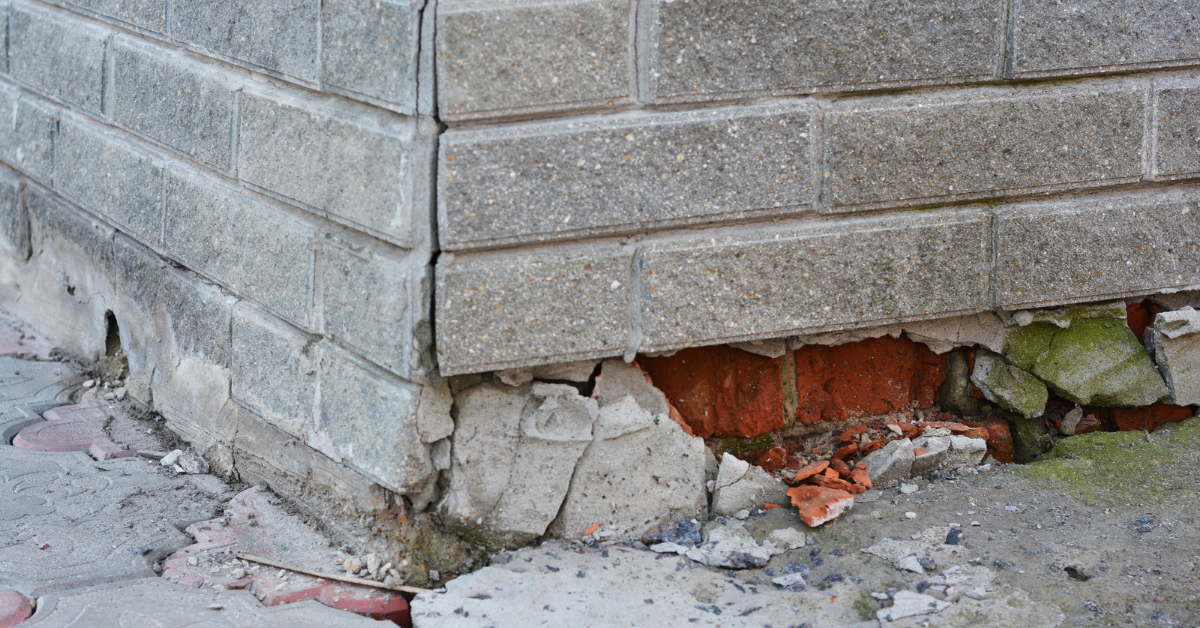
Every home settles over time, but not all settling is normal. Understanding the difference between harmless settling and problematic foundation settlement can save you thousands in repair costs and protect your home’s structural integrity. Here’s what Bucks County homeowners need to know about their foundations.
What Is Normal House Settling?
When a new home is built, it’s common for the structure to settle slightly as the soil beneath compacts under the weight of the building. This process typically occurs within the first few years and results in minor, cosmetic issues like small hairline cracks in drywall or slight gaps between trim and walls. Normal settling is gradual, minimal, and doesn’t worsen over time. You might hear occasional creaking sounds or notice tiny cracks that remain stable for years. These signs usually don’t indicate structural problems and are simply part of your home adjusting to its environment.
Understanding Foundation Settlement
Foundation settlement, on the other hand, is a serious structural issue that occurs when the soil beneath your foundation shifts, compresses unevenly, or erodes. Unlike normal settling, foundation settlement is progressive and worsening. It happens when the soil can no longer support the weight of your home properly, causing the foundation to sink or move. This can result from poor soil compaction during construction, expansive clay soils, water damage, or drought conditions. Foundation settlement doesn’t stabilize on its own—it continues to worsen until properly addressed by professionals.
Warning Signs of Problematic Foundation Settlement
Several red flags indicate you’re dealing with foundation settlement rather than normal settling. Look for cracks wider than 1/4 inch in your foundation walls, especially diagonal cracks that extend from corners of windows or doors. Interior warning signs include doors and windows that stick or won’t close properly, floors that slope or feel uneven, and gaps between walls and ceilings or floors. You might also notice separation between exterior walls and chimneys, cracked or bowed basement walls, and cracks in exterior brickwork forming a stair-step pattern. Water intrusion in your basement often accompanies foundation settlement, as cracks provide entry points for moisture.
The Causes Behind Foundation Settlement
Multiple factors contribute to foundation settlement in the New Hope and Bucks County areas. Poorly compacted fill soil from original construction cannot adequately support your home’s weight over time. Expansive clay soils swell when wet and shrink when dry, creating movement beneath your foundation. Extended drought periods cause soil to contract and pull away from foundations, while excessive moisture from poor drainage saturates soil and reduces its load-bearing capacity. Tree roots near your foundation can extract moisture from soil, causing it to shrink. Finally, plumbing leaks beneath your home can wash away supporting soil, creating voids that allow settlement.
Why Foundation Settlement Requires Immediate Attention
Ignoring foundation settlement leads to escalating damage and exponentially higher repair costs. What starts as a small crack can quickly develop into major structural failure. Settlement affects your entire home—walls, floors, roof, and plumbing systems all depend on a stable foundation. Water intrusion through foundation cracks promotes mold growth and compromises indoor air quality. Your home’s resale value plummets when prospective buyers discover foundation issues during inspections. Most importantly, severe foundation settlement can render your home unsafe for occupancy. Early intervention with professional Foundation Repair services prevents minor issues from becoming major catastrophes.
How Professionals Assess Foundation Problems
Professional foundation assessment begins with a comprehensive inspection of your property. Experienced technicians examine both interior and exterior areas, measuring crack widths, checking for wall bowing, and evaluating floor levelness with precision instruments. They assess your property’s grading and drainage patterns, as water management plays a crucial role in foundation health. Soil conditions around your foundation receive careful evaluation to identify contributing factors. A thorough Basement Inspection reveals the full extent of foundation damage and any related issues like water intrusion or structural compromise. Based on these findings, professionals develop a customized repair strategy that addresses both symptoms and root causes.
Protecting Your Foundation Long-Term
Once foundation issues are resolved, preventive maintenance protects your investment. Ensure proper grading directs water away from your foundation, and keep gutters and downspouts clean and functioning correctly. Install extensions on downspouts to discharge water at least six feet from your foundation. Maintain consistent soil moisture around your foundation—not too wet, not too dry. During droughts, water the foundation perimeter to prevent excessive soil contraction. Address plumbing leaks immediately to prevent soil erosion beneath your home. Consider Basement Waterproofing solutions to manage groundwater and protect against moisture intrusion. Regular inspections allow you to catch potential problems before they escalate into costly repairs.
Don’t wait until foundation settlement compromises your home’s safety and value. If you’ve noticed any warning signs of foundation problems in your Doylestown, Princeton, Trenton, or Bucks County home, contact Basement Medics today for a professional assessment. Our experienced team provides honest evaluations and effective solutions to protect your most valuable investment.
Frequently Asked Questions
Q: How can I tell if a crack in my foundation is serious?
A: Cracks wider than 1/4 inch, horizontal cracks, or cracks that are growing over time indicate serious foundation issues. Vertical hairline cracks less than 1/8 inch wide are typically cosmetic. If you’re unsure, have a professional assess the crack to determine if it’s normal settling or foundation settlement requiring repair.
Q: How long does normal house settling last?
A: Normal settling typically occurs within the first 1-3 years after construction as the home adjusts to its foundation. After this period, the settling should stabilize. If you notice new cracks or movement in an older home, this likely indicates foundation settlement rather than normal settling.
Q: Can foundation settlement be fixed, or will I need to rebuild?
A: Most foundation settlement can be effectively repaired without rebuilding. Modern repair techniques like underpinning with piers, slabjacking, and wall stabilization can restore your foundation’s integrity and prevent further movement. Complete rebuilding is rarely necessary except in cases of extreme, long-neglected damage.
Q: Does homeowners insurance cover foundation settlement?
A: Standard homeowners insurance typically does not cover foundation settlement caused by soil conditions, poor construction, or normal wear and tear. However, if settlement results from a covered event like a plumbing leak or natural disaster, you may have coverage. Review your policy and consult with your insurance provider.
Q: How much does foundation settlement repair cost?
A: Foundation repair costs vary widely based on the severity of damage, repair method required, and your home’s size. Minor repairs might cost a few thousand dollars, while extensive foundation work can reach $10,000-$15,000 or more. The best approach is getting a professional inspection and detailed estimate for your specific situation. Early intervention typically costs significantly less than waiting until damage becomes severe.