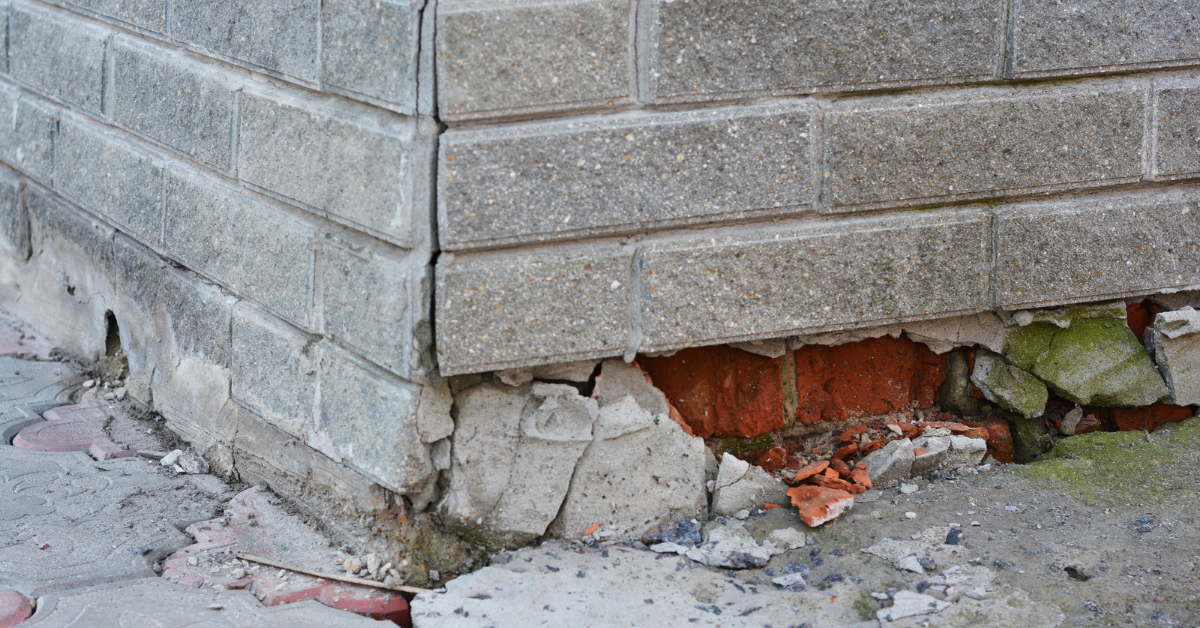
Foundation settlement occurs when the soil beneath your home shifts or compresses, causing your foundation to sink unevenly. While some settling is normal in new construction, ongoing or uneven settlement can lead to serious structural damage. Understanding what causes foundation settlement and recognizing the warning signs early can save you from costly repairs down the road.
What Causes Foundation Settlement?
Several factors contribute to foundation settlement, with soil composition being the primary culprit. Clay-rich soils expand when wet and contract when dry, creating a cycle that gradually destabilizes your foundation. Poorly compacted fill soil beneath your home can also compress over time under the weight of your structure. Additionally, changes in moisture levels from improper drainage, plumbing leaks, or tree roots drawing water from the soil can cause the ground beneath your foundation to shift and settle unevenly.
Visible Cracks in Your Foundation Walls
One of the most obvious signs of foundation settlement is cracking. Horizontal cracks, stair-step cracks in brick or block walls, and vertical cracks wider than a quarter-inch all indicate serious settlement issues. While hairline cracks may be cosmetic, wider cracks or those that continue to grow suggest your foundation is actively moving. These cracks often start small but can quickly worsen if the underlying settlement problem isn’t addressed through proper Foundation Repair.
Doors and Windows That Stick or Won’t Close Properly
When your foundation settles unevenly, it causes your home’s frame to shift out of alignment. This creates noticeable problems with doors and windows throughout your house. You might find that doors suddenly stick in their frames, won’t latch properly, or swing open or closed on their own. Windows may become difficult to open or close, or you might notice gaps between the window frame and the wall. These issues indicate that your home’s structure has shifted due to foundation movement.
Sloping or Uneven Floors
Foundation settlement often manifests as floors that slope, sag, or feel uneven when you walk across them. You might notice marbles or balls rolling in one direction, or you may feel like you’re walking uphill or downhill within your home. Gaps may appear between the floor and baseboards, or you might see separations where the floor meets the walls. These signs indicate that your foundation has settled enough to affect the structural support of your flooring system.
Gaps Between Walls and Ceilings or Floors
As your foundation settles, it pulls away from other structural elements of your home, creating visible gaps. You might notice spaces appearing where walls meet ceilings, where walls meet floors, or where walls join at corners. Crown molding may pull away from the ceiling, or you might see daylight through gaps between exterior walls and the roofline. These separations indicate significant foundation movement that requires professional evaluation.
Water Intrusion and Drainage Problems
Foundation settlement can compromise your home’s waterproofing and create pathways for water to enter. Cracks caused by settlement allow groundwater to seep into your basement, especially during heavy rains. Settlement can also affect the grade around your foundation, causing water to pool near your home rather than draining away. If you’re experiencing new water problems in your basement, foundation settlement may be contributing to the issue. Professional Basement Waterproofing combined with foundation stabilization can address both problems.
Exterior Warning Signs
Don’t forget to inspect the outside of your home for settlement indicators. Look for cracks in exterior brick, siding pulling away from the house, or gaps around exterior doors and garage doors. Chimneys that lean or separate from the house are serious red flags. You might also notice that porches, steps, or patios have pulled away from your foundation or settled independently. Wrinkles or cracks in your foundation’s exterior coating also suggest movement beneath the surface.
If you’ve noticed any of these warning signs in your Bucks County home, don’t wait for the problem to worsen. Foundation settlement rarely improves on its own and typically becomes more expensive to repair over time. Contact Basement Medics today for a thorough inspection and expert recommendations to protect your home’s structural integrity.
Frequently Asked Questions
Q: How much foundation settlement is normal?
A: Most homes experience some minor settlement within the first few years after construction, typically less than an inch. However, ongoing settlement or uneven settling of more than one to two inches is abnormal and requires professional evaluation. Any settlement that causes structural damage like cracked walls or sticking doors should be addressed immediately.
Q: Can foundation settlement be stopped?
A: Yes, foundation settlement can be stopped and even corrected with proper foundation repair techniques. Methods like helical piers, steel push piers, or slab jacking can stabilize your foundation and prevent further movement. The key is addressing the problem early before extensive damage occurs.
Q: How quickly does foundation settlement happen?
A: Foundation settlement can occur rapidly or gradually over many years. New construction may settle within the first one to three years. Older homes may experience gradual settlement over decades due to soil changes, water damage, or deteriorating foundation materials. Sudden settlement can occur after major weather events, plumbing leaks, or changes in drainage patterns.
Q: Does homeowners insurance cover foundation settlement?
A: Most standard homeowners insurance policies do not cover foundation settlement, as it’s typically considered a maintenance issue or the result of normal wear and tear. However, if settlement results from a sudden covered event like a burst pipe or natural disaster, you may have coverage. Review your policy and speak with your insurance provider to understand your specific coverage.
Q: What’s the difference between foundation settlement and foundation heave?
A: Foundation settlement occurs when soil beneath your foundation compresses or shifts, causing the foundation to sink. Foundation heave is the opposite—it happens when soil expands and pushes the foundation upward. Both can cause significant structural damage, but they require different repair approaches. A professional inspection can determine which issue you’re facing.