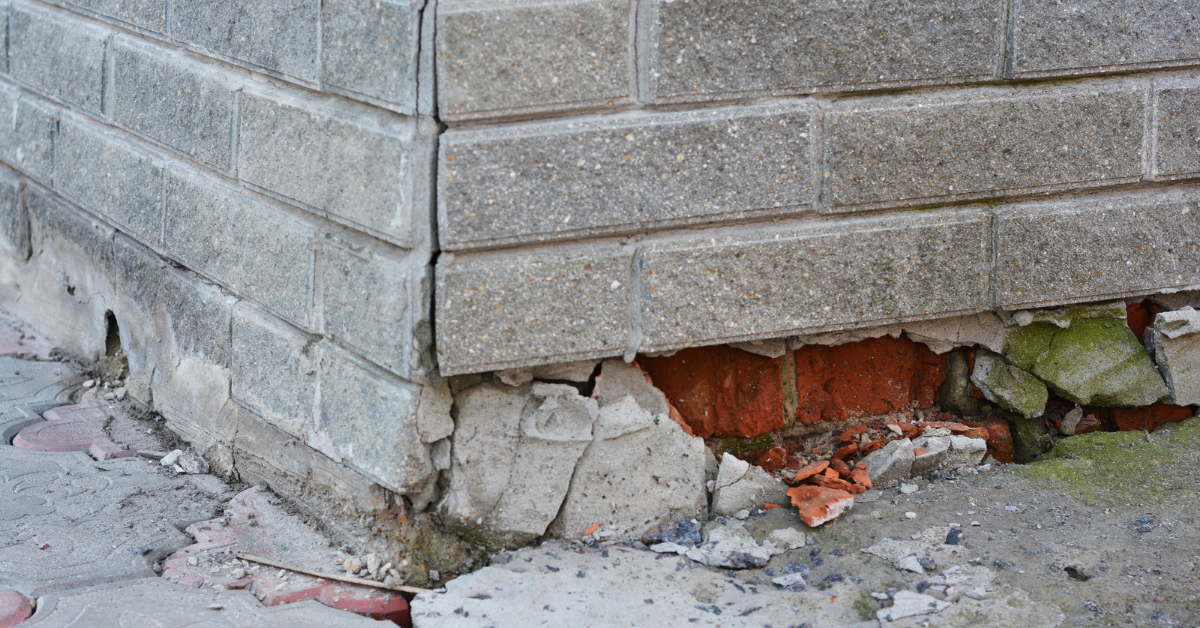
Water intrusion can turn your basement from a valuable living space into a moldy, damaged liability. Understanding the differences between interior and exterior waterproofing systems helps you make an informed decision about protecting your home. Both approaches have distinct advantages, and sometimes the best solution involves combining them.
Understanding Exterior Waterproofing Systems
Exterior waterproofing tackles moisture problems at their source—outside your foundation walls. This method involves excavating around your home’s perimeter, applying waterproof coatings or membranes to the foundation walls, and installing drainage systems to redirect water away from your home. While more invasive and typically more expensive, exterior waterproofing provides comprehensive protection by preventing water from ever reaching your foundation walls.
The process includes cleaning the foundation surface, repairing any cracks or damage, applying waterproof barriers, and installing drainage tiles or French drains at the footer level. These drains collect groundwater and channel it away from your foundation before it can cause problems. Many homeowners opt for this approach during new construction or major renovations when access to the foundation is already available.
How Interior Waterproofing Systems Work
Interior waterproofing manages water that has already penetrated through or around your foundation walls. This approach is less disruptive and more cost-effective than exterior methods, making it a popular choice for existing homes. Interior systems typically include installing drainage channels along the basement perimeter, directing water to a collection point, and using a sump pump to remove it from your home.
The most common interior method involves creating a drainage system at the floor-wall joint where water typically enters. A channel collects the water and directs it to a sump basin, where the pump automatically activates to discharge water away from your foundation. Additional components may include vapor barriers on walls and dehumidifier installation to control moisture levels.
Comparing Costs and Disruption
Budget considerations play a significant role in choosing between interior and exterior waterproofing. Exterior systems generally cost two to three times more than interior solutions due to excavation requirements, landscaping restoration, and the sheer scope of work involved. However, they address problems at the source and may provide longer-lasting protection.
Interior waterproofing offers a more economical entry point for homeowners dealing with water intrusion. The installation happens entirely inside your home, preserving your landscaping, driveways, and outdoor features. Most interior basement waterproofing projects can be completed in one to three days, minimizing disruption to your daily life. For many homeowners in Bucks County and surrounding areas, interior systems provide excellent protection at a reasonable investment.
When to Choose Exterior Waterproofing
Certain situations make exterior waterproofing the superior choice. If your foundation has significant structural damage, exterior access allows for proper foundation repair before waterproofing. Homes with finished basements benefit from exterior work that doesn’t require removing drywall, flooring, or built-in features.
Exterior waterproofing excels when dealing with hydrostatic pressure—the force of groundwater pushing against foundation walls. High water tables, homes built on slopes, or properties with poor lot grading create conditions where exterior drainage systems become essential. If you’re already planning major landscaping changes or foundation repairs, combining that work with exterior waterproofing maximizes efficiency and value.
Best Situations for Interior Systems
Interior waterproofing shines in scenarios where exterior excavation is impractical or unnecessary. Urban properties with limited access, homes with attached structures like garages or porches, and situations where landscaping preservation is a priority all favor interior solutions. If your foundation walls are structurally sound but water seeps through minor cracks or floor joints, interior systems effectively manage the problem.
Properties with occasional water intrusion during heavy rains often find interior drainage and sump pump installation completely solve their issues. This approach also works well for crawlspace waterproofing where exterior excavation would be extremely difficult. Interior systems can be installed year-round, unlike exterior work that requires favorable weather conditions.
Combining Interior and Exterior Methods
The most comprehensive basement waterproofing strategy often involves both approaches. Exterior waterproofing prevents water from reaching your foundation, while interior systems provide a backup by managing any water that does penetrate. This redundancy ensures maximum protection, especially in areas prone to heavy rainfall or flooding.
A combined approach might include exterior drainage tiles with an interior perimeter drain and sump pump system. This layered defense means if exterior drains become overwhelmed during severe weather, your interior system activates to protect your basement. Many waterproofing professionals recommend this dual approach for homes with persistent moisture problems or in high-risk flood zones throughout Doylestown, Princeton, and Trenton.
Making the Right Choice for Your Home
The best waterproofing method depends on your specific situation, budget, and long-term plans for your home. A professional basement inspection identifies the source and severity of your water problems, guiding you toward the most effective solution. Factors like soil type, drainage patterns, foundation condition, and the extent of water intrusion all influence the recommendation.
Don’t let water damage compromise your home’s structural integrity and value. Basement Medics serves homeowners throughout New Hope, Warrington, Ewing, and surrounding communities with expert waterproofing solutions tailored to your needs. Contact us today for a comprehensive evaluation and customized waterproofing plan that protects your investment for years to come.
Frequently Asked Questions
Q: Can I install interior waterproofing if I have a finished basement?
A: Yes, but it requires removing some flooring along the perimeter where the drainage system will be installed. The disruption is typically minimal compared to the protection provided, and most systems can be concealed when the basement is refinished.
Q: How long do interior and exterior waterproofing systems last?
A: Quality exterior waterproofing can last 10-15 years or longer, while interior drainage systems with proper maintenance can function effectively for 20-25 years. Sump pumps typically need replacement every 7-10 years depending on usage.
Q: Will exterior waterproofing damage my landscaping?
A: Excavation does disturb landscaping temporarily, but professional contractors restore the area after installation. Many homeowners use this as an opportunity to redesign their landscaping. The long-term foundation protection usually outweighs temporary aesthetic concerns.
Q: Is interior waterproofing enough for homes with high water tables?
A: Interior systems effectively manage water intrusion even with high water tables, though combining them with exterior solutions provides optimal protection. A professional assessment determines whether interior waterproofing alone will adequately protect your specific situation.
Q: How quickly can interior waterproofing be installed compared to exterior systems?
A: Interior waterproofing typically takes 1-3 days to complete, while exterior waterproofing requires 5-7 days or more depending on your home’s size and accessibility. Interior systems also aren’t weather-dependent, allowing installation during any season.