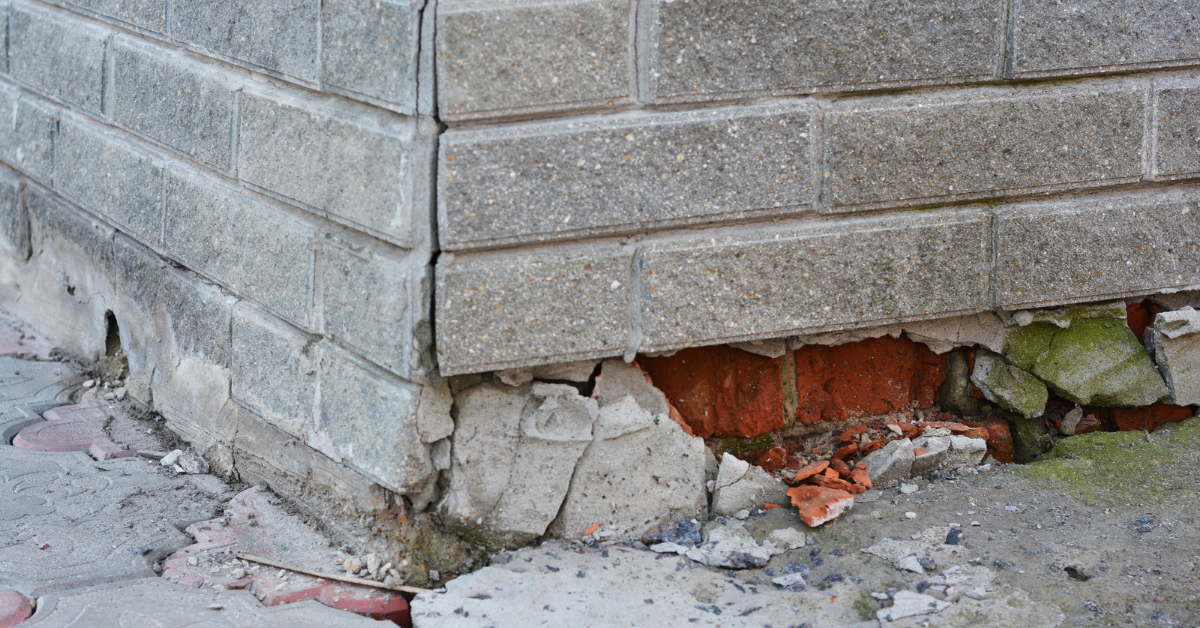
April’s increased rainfall across Pennsylvania and New Jersey can reveal hidden foundation vulnerabilities that developed over winter. While spring showers help gardens bloom, they can also expose serious structural issues that require immediate attention from homeowners in Bucks County and surrounding areas.
Water Stains and Discoloration on Basement Walls
One of the most obvious signs that April rains are affecting your foundation is the appearance of water stains or discoloration on basement walls. These marks often appear as dark streaks, white chalky residue, or yellowish-brown patches that weren’t there before the spring rains began.
Water stains indicate that moisture is penetrating through your foundation walls, which can lead to more serious problems if left untreated. The increased hydrostatic pressure from spring groundwater saturation forces water through even microscopic cracks in concrete or masonry. If you notice new stains appearing after heavy April rainfall, it’s time to schedule Basement Inspections to assess the extent of water intrusion.
Musty Odors and Increased Humidity Levels
Spring moisture infiltration often announces itself through your nose before your eyes. A persistent musty, earthy smell in your basement or crawlspace during April indicates that excess moisture is creating conditions for mold and mildew growth. This is particularly common in Pennsylvania and New Jersey homes where winter frost damage may have created new pathways for water entry.
Increased humidity levels can make your basement feel damp and uncomfortable, even when it appears dry. High humidity accelerates mold growth and can damage stored belongings, while also making your HVAC system work harder. Professional Dehumidifier Installation can help control moisture levels, but addressing the underlying water intrusion through proper Basement Waterproofing is essential for long-term protection.
Cracks Appearing or Expanding in Foundation Walls
April’s freeze-thaw cycles, combined with increased soil moisture, can cause existing foundation cracks to expand or new ones to appear. Pay close attention to both horizontal and vertical cracks in your basement walls, as each type indicates different structural stresses. Horizontal cracks often signal serious pressure from saturated soil, while vertical cracks may indicate settling or thermal expansion issues.
Even hairline cracks can quickly become major problems when subjected to April’s variable weather conditions. Water entering through small cracks will freeze during cold nights and expand during warm days, accelerating crack growth. Document any new cracks with photos and measurements, then consult professionals for Foundation Repair evaluation before minor issues become major structural problems.
Standing Water or Wet Spots on Basement Floors
Discovering puddles or consistently wet areas on your basement floor after April storms is a clear indication that your current drainage system isn’t adequate for spring conditions. This standing water can appear near walls, in corners, or in the center of your basement, depending on how water is entering and where it’s collecting.
Standing water creates immediate risks for mold growth, property damage, and structural deterioration. It also indicates that hydrostatic pressure around your foundation is overwhelming your home’s waterproofing systems. Professional Sump Pump Installation can provide active water removal, while comprehensive waterproofing addresses the root causes of water intrusion.
Efflorescence and Mineral Deposits
White, chalky deposits appearing on basement walls during April often indicate that water is moving through your foundation and evaporating, leaving behind mineral salts. This efflorescence becomes more noticeable during spring months when increased groundwater carries more dissolved minerals through foundation materials.
While efflorescence itself isn’t structurally damaging, it signals ongoing moisture problems that can worsen with continued exposure to April’s wet conditions. The water movement that creates these deposits can also carry away important binding materials in mortar and concrete, gradually weakening your foundation over time.
Crawlspace Concerns During Spring Rains
Don’t overlook your crawlspace during April inspections. Many New Jersey and Pennsylvania homes have crawlspaces that are particularly vulnerable to spring moisture problems. Look for standing water, increased pest activity, or sagging floor joists that may indicate moisture-related structural damage.
Crawlspaces often show foundation problems before basements do, since they’re typically less finished and closer to grade level. If you notice any concerning signs in your crawlspace, Crawlspace Waterproofing can prevent minor issues from becoming major structural problems that affect your entire home’s stability and indoor air quality.
Don’t wait for foundation problems to worsen as spring progresses. If you’ve noticed any of these warning signs around your Pennsylvania or New Jersey home, Contact Us today for a comprehensive evaluation. Our experienced team can identify problems early and recommend appropriate solutions to protect your home’s foundation throughout the rainy season and beyond.
Frequently Asked Questions
Q: How quickly should I address water stains that appear after April rains?
A: Water stains should be investigated within a few days of discovery. While the stains themselves aren’t immediately dangerous, they indicate active water intrusion that can rapidly worsen with continued spring rainfall and cause structural damage or mold growth.
Q: Can small foundation cracks wait until summer to be repaired?
A: Small cracks should be evaluated immediately, as spring’s freeze-thaw cycles and increased soil moisture can cause rapid expansion. What appears minor in April can become a major structural issue by summer, making early intervention much more cost-effective.
Q: Is it normal for basements to smell musty during spring in Pennsylvania?
A: While common, musty odors aren’t normal and indicate excess moisture that can lead to mold growth and structural problems. Proper ventilation, dehumidification, and moisture control should eliminate these odors even during wet spring weather.
Q: How do I know if standing water in my basement requires emergency attention?
A: Any standing water deeper than a quarter-inch or water that returns quickly after removal requires immediate professional assessment. Persistent standing water indicates serious drainage issues that can cause rapid structural deterioration and create health hazards.
Q: Should I be concerned about white deposits on my basement walls if they only appear in spring?
A: Yes, seasonal efflorescence still indicates that water is moving through your foundation materials. While the deposits themselves aren’t harmful, the water movement can weaken your foundation over time and may worsen as the structure ages.